
Why Pelvic Floor Physical Therapy Is Essential for Lasting Pelvic Pain Relief
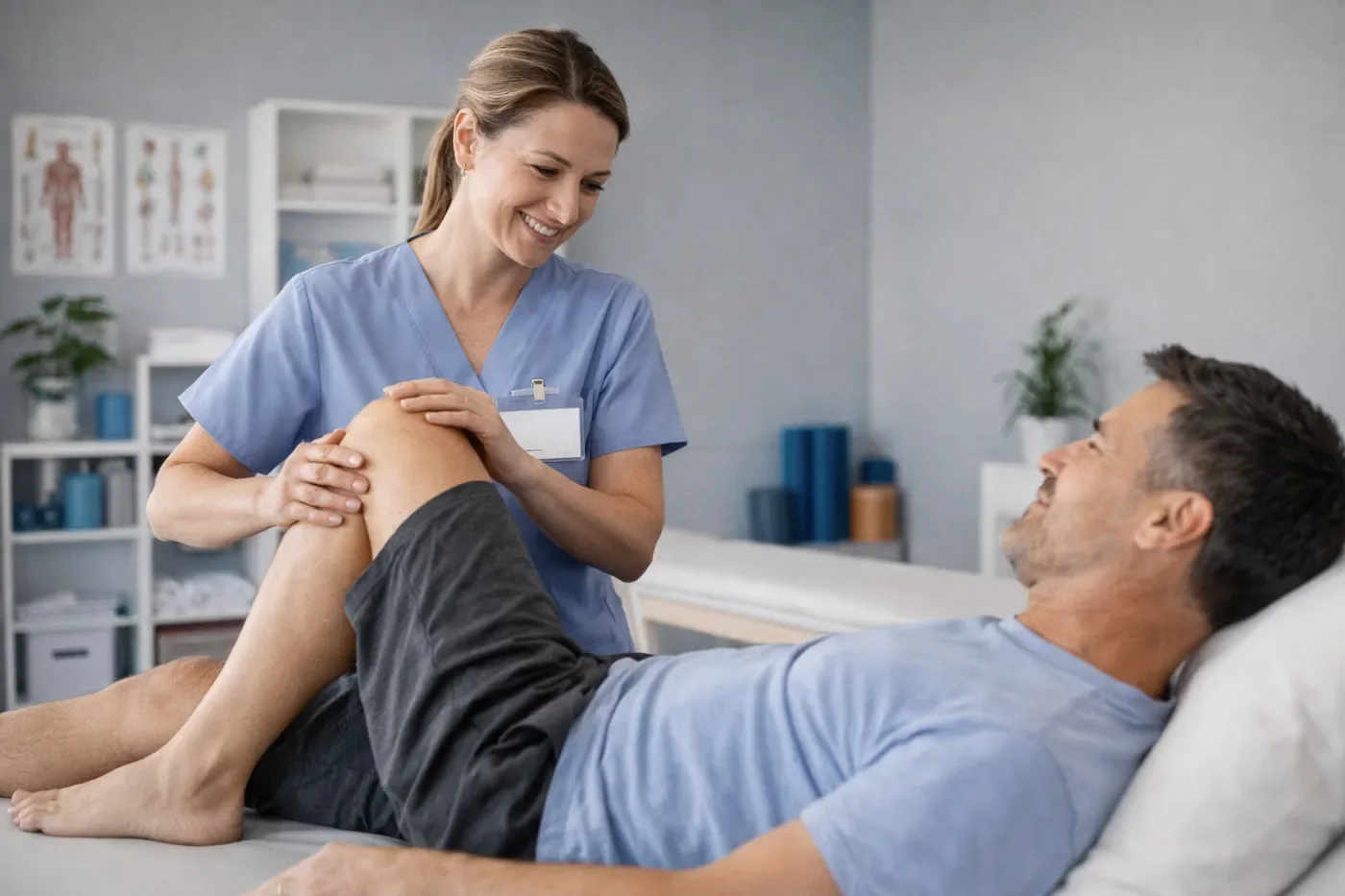
If you've been referred to pelvic floor physical therapy, you might be wondering: what exactly is it, and why is it so important for recovery? Maybe you're dealing with pelvic pain, incontinence, pain during sex, or difficulty sitting comfortably. Perhaps your doctor mentioned it as "first-line treatment" but didn't fully explain what that means.
Here's what you need to know: pelvic floor physical therapy has robust evidence-based support and can improve or cure symptoms of urinary incontinence, pelvic organ prolapse, fecal incontinence, and hypertonic pelvic floor disorders including pelvic floor myofascial pain. It's not just helpful—for many conditions, it's the most effective treatment available.
What Is Pelvic Floor Physical Therapy?
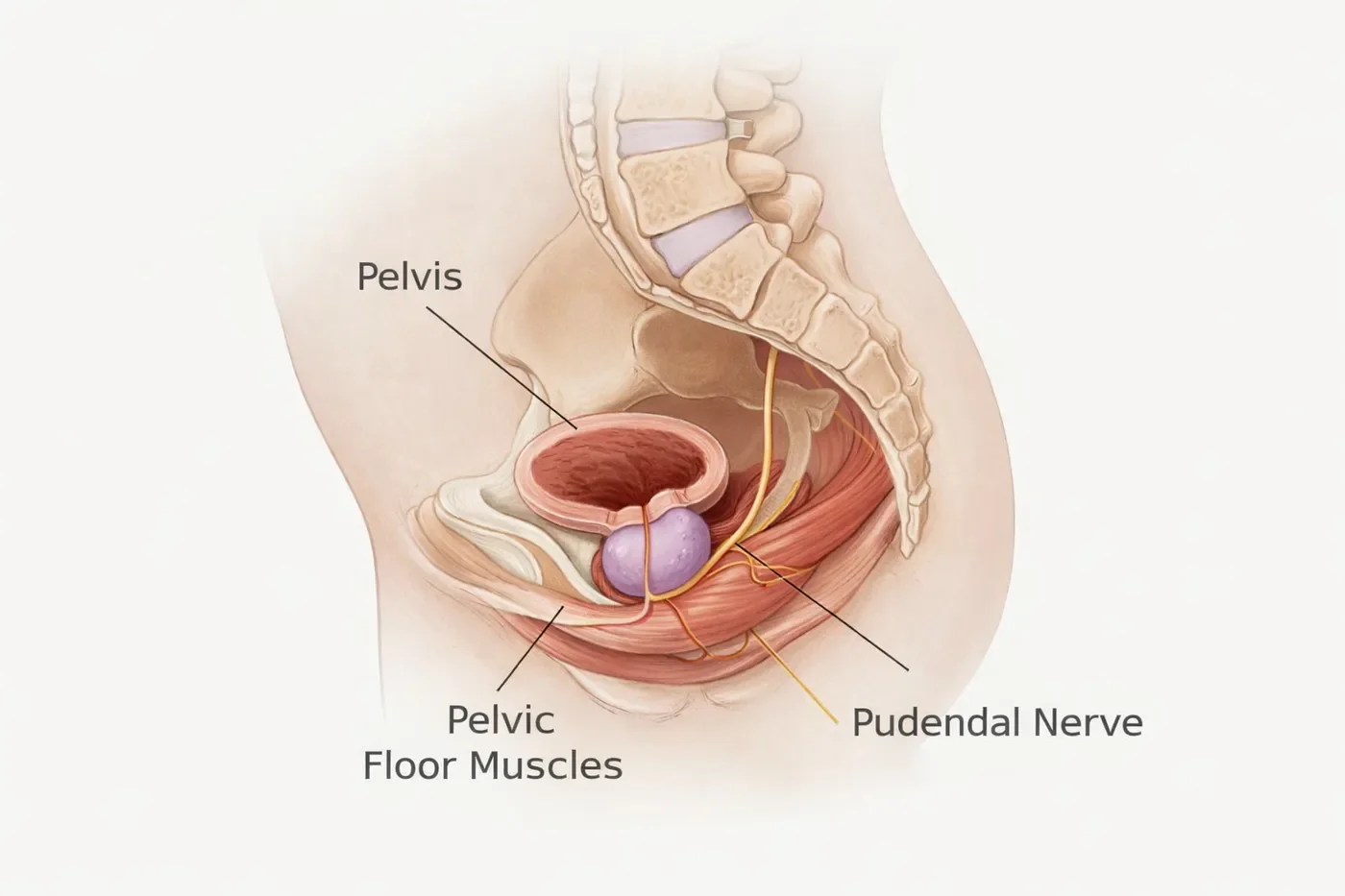
Pelvic floor physical therapy (PFPT) is specialized treatment focused on the muscles, ligaments, and connective tissues that support your bladder, uterus (or prostate in men), and bowel. These muscles form a hammock-like structure at the base of your pelvis and play crucial roles in:
Bladder and bowel control
Sexual function
Supporting pelvic organs
Core stability and posture
Managing intra-abdominal pressure
When these muscles become too weak, too tight, or uncoordinated, it leads to pelvic floor dysfunction—and that's where specialized physical therapy comes in.
How Is Pelvic Floor PT Different from Regular Physical Therapy?
Pelvic floor physical therapists complete additional specialized training beyond their doctorate in physical therapy. Many earn board certifications or fellowships in women's health, pelvic rehabilitation, or related disciplines. This advanced training allows them to:
Perform internal and external pelvic floor assessments
Identify muscle imbalances, trigger points, and coordination issues
Develop personalized treatment plans based on your specific dysfunction
Teach you techniques you simply can't learn from online videos or apps
Think of it this way: you wouldn't expect a knee specialist to treat your pelvic floor, and you shouldn't expect general exercises to address complex pelvic dysfunction. This requires specialized expertise.
Why Pelvic Floor Physical Therapy Works
Research has demonstrated that pelvic floor physical therapy with or without supplemental modalities can improve pelvic floor muscle strength, endurance, power, and relaxation in patients with pelvic floor dysfunction. But why is it so effective?
1. It Addresses the Root Cause
Many pelvic floor conditions stem from muscle dysfunction—not just weakness, but also excessive tension, trigger points, poor coordination, or incorrect muscle firing patterns. Pelvic floor hypertonicity (muscles that are too tight) can cause urological, gynecological and gastrointestinal symptoms, sexual problems, and chronic pelvic pain.
Pills or surgery might manage symptoms temporarily, but they don't retrain your muscles to function properly. Physical therapy does.
2. It's Personalized to Your Body
There's no one-size-fits-all approach to pelvic health. Your PT will assess:
Which muscles are weak vs. tight
Whether you can properly contract and relax your pelvic floor
How your breathing, posture, and core interact with pelvic function
Trigger points or areas of myofascial restriction
Coordination and timing of muscle activation
Based on this assessment, they create a treatment plan specific to YOUR dysfunction—not a generic protocol.
What to Expect from Pelvic Floor Physical Therapy
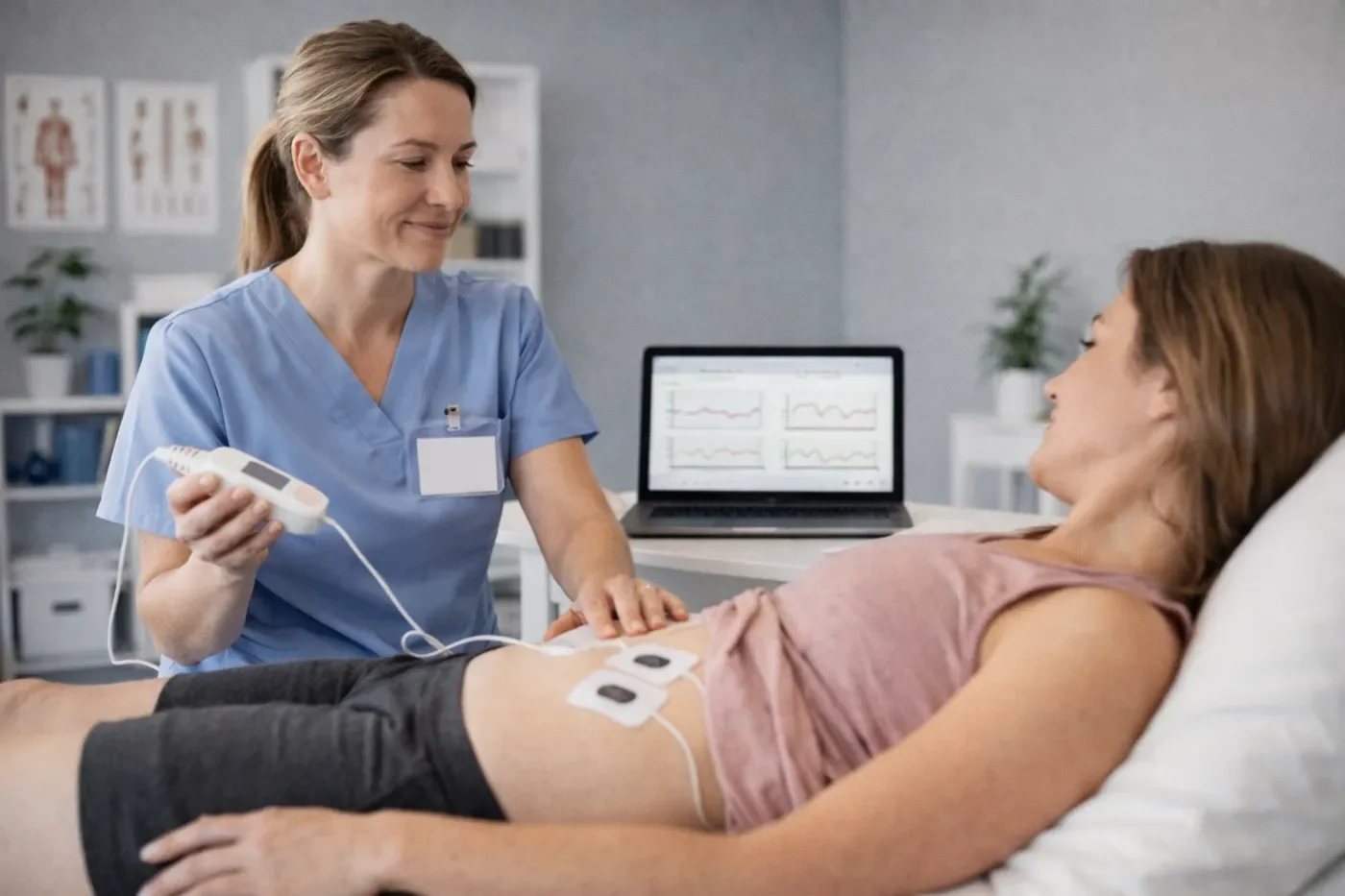
If you're nervous about your first pelvic floor PT appointment, that's completely normal! While every practice is different, here's a general idea of what pelvic floor therapy typically involves:
Initial Consultation: Your first visit usually starts with a detailed conversation about your symptoms, medical history, and treatment goals. The therapist will want to understand what's been going on and what you hope to achieve.
Assessment: Depending on your specific condition and the therapist's approach, they may evaluate things like your posture, movement patterns, core strength, and pelvic floor function. Everything is done with your consent and comfort as the priority.
Treatment Plan: Based on their evaluation, your PT will create a personalized treatment plan. This might include exercises, manual therapy techniques, lifestyle recommendations, and a home program.
Ongoing Sessions: Most people attend sessions regularly over several weeks or months. Your therapist will adjust your treatment as you progress.
What's important to know: Pelvic floor PT is always done in a private, one-on-one setting, and you're in control. If something makes you uncomfortable, speak up. A good therapist will work with you to find an approach that feels safe.
The Evidence: Does It Really Work?
The research is clear and compelling:
Research shows strong evidence for pelvic floor PT's effectiveness. A Cochrane systematic review of 31 trials involving 1,817 women found that pelvic floor muscle training can cure or improve symptoms of stress urinary incontinence and all other types of urinary incontinence.[1]
Research consistently shows that pelvic floor muscle training is recommended as first-line therapy due to its accessibility, cost-effectiveness, and minimal risks compared to more invasive treatments.[2]
For chronic pelvic pain specifically, systematic reviews suggest that pelvic floor physical therapy can be beneficial in patients with pelvic floor hypertonicity.
The benefits extend beyond symptom relief. Research demonstrates that pelvic floor muscle training paired with lifestyle changes provides the most effective treatment results.
Common Barriers to Treatment (And How to Overcome Them)

Despite how effective pelvic floor PT is, many people never make it to their first appointment. Research has identified the main obstacles:
Barrier #1: Insurance Coverage
Studies show that insurance noncoverage is one of the top barriers to treatment, with over 50% of patients citing financial constraints.
Solution: Many insurance plans do cover pelvic floor PT, you just might need a physician referral. Start with your primary care doctor and explain your symptoms. If you’ve never tried other treatments, you may need to start there depending on your insurance. If anything else, ask your PT office about payment plans or sliding scale fees.
Barrier #2: Time and Access
There's more demand than availability for pelvic floor physical therapy, with many patients reporting 3-4 week wait times to get an appointment.
Solution: Book your appointment as soon as you get a referral. Use our Provider Directory to find qualified PTs in your area. Ask about telehealth options for follow-up visits if available.
Barrier #3: Embarrassment or Anxiety
Many people feel uncomfortable discussing pelvic issues or nervous about internal assessments.
Solution: Remember that pelvic floor therapists are healthcare professionals who specialize in these exact concerns. They've literally seen it all and are focused on helping you heal, not judging you. You're always in control and can decline any part of the assessment.
Barrier #4: "I Don't Think It Will Help"
Research shows that negative perception regarding the benefit of pelvic floor PT is a significant risk factor for not participating in treatment.
Solution: Give it a fair chance. Many people who were skeptical become the biggest advocates after experiencing relief. The evidence is strong, and millions of people have improved their quality of life through pelvic floor PT.
The Right Cushion Will Support Your Pelvic Floor PT Journey
Here's something many people don't realize: the surface you sit on can either support or undermine your pelvic floor therapy progress.
When you're working hard in PT to relax tight muscles, release trigger points, and improve coordination, sitting on a standard chair continuously compresses those same muscles and tissues. It's like going to physical therapy for your shoulder but then sleeping on that shoulder every night—you're fighting against your own recovery.

Why This Matters for PT Patients
Your pelvic floor PT is teaching you:
How to relax overactive muscles
Proper muscle engagement patterns
Pain management strategies
Body mechanics to protect your pelvic floor
But if you're sitting 6-8 hours a day compressing your pelvic floor, perineum, and pudendal nerve, you're constantly re-irritating the tissues your therapist is working to heal.
What Pelvic Floor PTs Recommend
Many pelvic floor physical therapists recommend therapeutic cushions as part of comprehensive treatment—not as a replacement for therapy, but as a complement to it.
The Twin Cheeks Cushion uses a patented dual-panel design that removes pressure from the pelvic floor, perineum, and tailbone. Instead of adding padding (which still allows pressure), it actually creates a pressure-free zone.
This means: ✓ Your pelvic floor muscles can relax while sitting ✓ Inflamed tissues aren't constantly compressed ✓ Your therapy work isn't undone during your workday ✓ You can sit through your PT appointments comfortably
Find a Pelvic Floor PT: Visit our Provider Directory to connect with specialized therapists who understand pelvic pain and can recommend the right tools for your recovery.
Taking the First Step
If you're dealing with pelvic pain, incontinence, or any pelvic floor dysfunction, don't wait to seek help. Pelvic floor physical therapy has robust evidence-based support as a first-line treatment for most pelvic floor disorders.
Your Action Plan:
Get a referral from your doctor (some states allow direct access to PT without a referral)
Find a qualified pelvic floor PT using our Provider Directory
Check your insurance coverage and schedule your evaluation
Optimize your sitting support with a therapeutic cushion to protect your progress
Commit to the process – improvement takes time, but it's worth it
Ready to Support Your Pelvic Floor?
Shop the Twin Cheeks Cushion — The only patented doctor-recommended cushion that removes pressure where it matters most.
✓ Recommended by pelvic floor PTs nationwide
✓ Patented dual-panel design creates pressure-free zone
✓ Adjustable, portable, and made in the USA
✓ Complements your physical therapy treatment
Need help choosing the right firmness? Call us at (719) 313-1896 or email support@cushionyourassets.com.
The Bottom Line
Pelvic floor physical therapy is backed by extensive research showing it can improve or cure symptoms for many pelvic floor conditions. It addresses the root cause of dysfunction, provides personalized treatment, and gives you tools for long-term management—all with minimal risk and strong evidence of effectiveness.
If you've been putting off that referral, struggling with symptoms, or wondering if PT is worth it, we encourage you to take that first step. Your pelvic floor deserves specialized care, and relief is possible.
Combined with proper sitting support and lifestyle modifications, pelvic floor physical therapy can help you reclaim your comfort, confidence, and quality of life.
Stay ahead with the latest pelvic pain research, resources, and tips — delivered straight to your inbox.

References
[1] Dumoulin C, Cacciari LP, Hay-Smith EJC. Pelvic floor muscle training versus no treatment, or inactive control treatments, for urinary incontinence in women. Cochrane Database of Systematic Reviews 2018, Issue 10. Art. No.: CD005654. DOI: 10.1002/14651858.CD005654.pub4
[2] Hay-Smith EJC, Herderschee R, Dumoulin C, Herbison GP. Comparisons of approaches to pelvic floor muscle training for urinary incontinence in women. Cochrane Database of Systematic Reviews 2024, Issue 12. Art. No.: CD009508. DOI: 10.1002/14651858.CD009508.pub2
This article is for informational purposes only and does not replace professional medical advice. If you're experiencing pelvic floor symptoms, please consult with a qualified healthcare provider for proper evaluation and treatment.
About Cushion Your Assets: Founded by Trudy Jackson, who lived with chronic pelvic pain for 17 years, Cushion Your Assets makes patented, therapist-recommended cushions designed to assist in pelvic pain recovery. We also maintain a Provider Directory of 270+ pelvic health specialists to help you find care near you. All products are made and sourced in the USA.
