
Male Pelvic Pain and Prostatitis: Why Sitting Hurts and How to Find Real Relief
If you've been dealing with prostatitis or chronic pelvic pain—especially when sitting—you know how isolating and frustrating it can be. Unlike a visible injury, male pelvic pain often goes unnoticed by others, even as it quietly takes over your workday, your commute, and your ability to enjoy simple activities.
You're not imagining it. You're not alone. And most importantly: there are answers.
Male pelvic pain affects an estimated 2-10% of men at any given time, with up to 16% experiencing symptoms at some point in their lives. Despite how common it is, many men see multiple doctors before finding someone who truly understands their symptoms. The journey to relief can feel overwhelming, but understanding what's happening in your body is the first step toward feeling better.

Chronic pelvic pain can make sitting at work unbearable
What Is Prostatitis and Chronic Pelvic Pain Syndrome?
The term "prostatitis" has traditionally been used to describe pelvic pain in men, but modern medicine recognizes that this pain often has nothing to do with an infected prostate. In fact, only 5-10% of prostatitis cases are actually caused by bacterial infection.
Today, most healthcare providers use the term Chronic Prostatitis/Chronic Pelvic Pain Syndrome (CP/CPPS) to describe ongoing pelvic pain in men that isn't caused by a urinary tract infection, prostate cancer, or other identifiable disease. This more accurate terminology reflects what research has shown: chronic pelvic pain in men is typically a complex condition involving the pelvic floor muscles, nerves, and surrounding tissues—not just the prostate.

Understanding male pelvic anatomy helps explain where pain originates
The NIH Classification System
The National Institutes of Health categorizes chronic pelvic pain in men into several types:
Category I - Acute Bacterial Prostatitis: Sudden pelvic pain with fever and bacterial infection Category II - Chronic Bacterial Prostatitis: Recurrent pelvic pain with bacteria in urine or prostate secretions Category III - Chronic Pelvic Pain Syndrome (CP/CPPS): Chronic pelvic pain without bacterial infection (most common, affecting 90-95% of men with pelvic pain) Category IV - Asymptomatic Inflammatory Prostatitis: Inflammation without symptoms
If you've been diagnosed with "chronic prostatitis" but antibiotics haven't helped, you likely have Category III—CP/CPPS. This is by far the most common type, and it requires a different approach to treatment.
What Does Male Pelvic Pain Feel Like?
Chronic pelvic pain in men can show up in many ways, and your experience might be different from someone else's. Common symptoms include:
Pain and Discomfort
Deep aching or burning in the perineum (area between the scrotum and anus)
Pain or pressure in the lower abdomen or pubic area
Discomfort in the testicles, penis, or tip of the penis
Groin pain that may radiate to the inner thighs
Lower back or tailbone pain
Rectal or anal discomfort
Pain that worsens significantly when sitting
Urinary Symptoms
Frequent need to urinate
Urgent need to urinate
Painful urination
Weak urine stream
Feeling like the bladder isn't fully empty
Sexual Dysfunction
Pain during or after ejaculation (post-ejaculatory pain)
Erectile dysfunction
Reduced sexual desire
Pain or discomfort in the genital area during sexual activity
Impact on Daily Life
One of the most challenging aspects of CP/CPPS is pain with prolonged sitting. Many men report that:
Sitting at work becomes unbearable after 20-30 minutes
Driving feels like sitting on a bruise or sharp object
Hard chairs, soft couches, and even car seats all cause discomfort
They constantly shift positions or stand up to get relief
They avoid social situations that require sitting
Why Does Sitting Make Pelvic Pain Worse?
When you sit on a standard chair, your entire body weight concentrates into a small area that includes:
Your sit bones (ischial tuberosities)
Your tailbone (coccyx)
Your pelvic floor muscles and perineum
For men with CP/CPPS, this area is often already inflamed, tight, or hypersensitive. Sitting compresses the very tissues and nerves that are causing pain, including:
The Pudendal Nerve: This major nerve runs through the pelvic floor and controls sensation in the genitals, perineum, and anus. When compressed by sitting, it can cause burning, numbness, or stabbing pain.
Pelvic Floor Muscles: These muscles form a hammock-like support structure at the base of the pelvis. In CP/CPPS, they often become chronically tight or develop trigger points, making them painful when compressed.
The Prostate and Surrounding Tissues: Even without infection, the prostate area can become inflamed and sensitive to pressure.
The result? Sitting on a flat surface continuously aggravates these already-sensitive structures, creating a cycle where sitting causes pain, pain causes muscle tension, and tension makes sitting even more uncomfortable.
Prostate Pain When Sitting: What It Usually Means
Prostate pain that shows up specifically when sitting, and eases when you stand or lie down, usually points toward the pelvic floor and the tissue around the prostate rather than the prostate gland itself. That distinction matters, because it changes where treatment should focus.
Sitting compresses the perineum and the pelvic floor muscles directly beneath the prostate. In CP/CPPS, those muscles are often already tight or holding trigger points, and the pressure of sitting keeps them from settling. The pain can feel like it's coming from the prostate because of where it's felt, even when the muscles and nerves around it are doing most of the work.
This is also why antibiotics, which target the prostate itself, often do nothing for pain that's clearly tied to sitting. A pelvic floor physical therapist can assess whether tight muscles are driving the pattern, and removing the sitting pressure that keeps triggering it — through a cushion built for that purpose — takes one aggravating factor out of the day while that gets sorted out.
What Causes Chronic Pelvic Pain in Men?
The exact cause of CP/CPPS varies from person to person and often involves multiple factors.
1. Pelvic Floor Muscle Dysfunction
The most common underlying cause is chronic tension or dysfunction in the pelvic floor muscles. This can develop from:
Stress and anxiety (unconsciously tightening pelvic muscles)
Past injury or trauma to the pelvic area
Poor posture or body mechanics
High-impact activities or heavy lifting
Prolonged sitting without proper support
2. Nerve Irritation
The pudendal nerve and other pelvic nerves can become irritated or compressed, leading to neuropathic pain that feels like burning, tingling, or electric shocks.
3. Previous Injury or Surgery
A fall on the tailbone, pelvic surgery, vasectomy, or sports injury can trigger chronic pelvic pain that persists long after the initial injury heals.
4. Inflammatory Conditions
While not caused by bacteria, some men do have inflammation in the pelvic region that contributes to ongoing symptoms.
5. Psychological Factors
Chronic pain affects mental health, and stress, anxiety, and depression can in turn amplify pain signals. This doesn't mean the pain is "in your head"—it means pain and mental health influence each other in both directions.
Finding Relief: A Multimodal Approach
Because CP/CPPS involves multiple factors, effective treatment usually requires several strategies working together:
1. Pelvic Floor Physical Therapy
Specialized pelvic floor physical therapists can assess muscle tension, trigger points, and movement patterns. Treatment may include:
Manual therapy and trigger point release
Stretching and relaxation exercises
Biofeedback training
Breathing and stress management techniques
Finding a qualified pelvic floor PT is one of the most important steps you can take. Visit our Pelvic Pain Clinic Provider Directory to find trusted specialists in your area.

Pelvic floor physical therapy is a cornerstone of CP/CPPS treatment
2. Medication and Medical Management
Depending on your symptoms, your doctor may recommend:
Alpha-blockers to relax pelvic muscles
Muscle relaxants for muscle tension
Neuropathic pain medications (gabapentin, pregabalin) for nerve pain
Anti-inflammatory medications
Short-term antibiotics (only if bacterial infection is confirmed)
3. Lifestyle Modifications
Small changes can have a big impact:
Avoid prolonged sitting: Stand up and move every 20-30 minutes
Stay hydrated: Drink plenty of water throughout the day
Limit bladder irritants: Reduce caffeine, alcohol, spicy foods, and acidic foods if they worsen symptoms
Manage stress: Practice relaxation techniques, meditation, or counseling
Gentle exercise: Walking, swimming, and gentle yoga can help without aggravating symptoms
4. Proper Sitting Support
This is where many men find immediate, practical relief. The surface you sit on directly affects pelvic pressure.
Most standard chairs, cushions, and car seats place continuous pressure on the exact areas causing pain—your perineum, pelvic floor, and prostate region. Even "ergonomic" chairs often have flat seat pans that concentrate weight in the wrong places.
How the Right Cushion Changes Everything
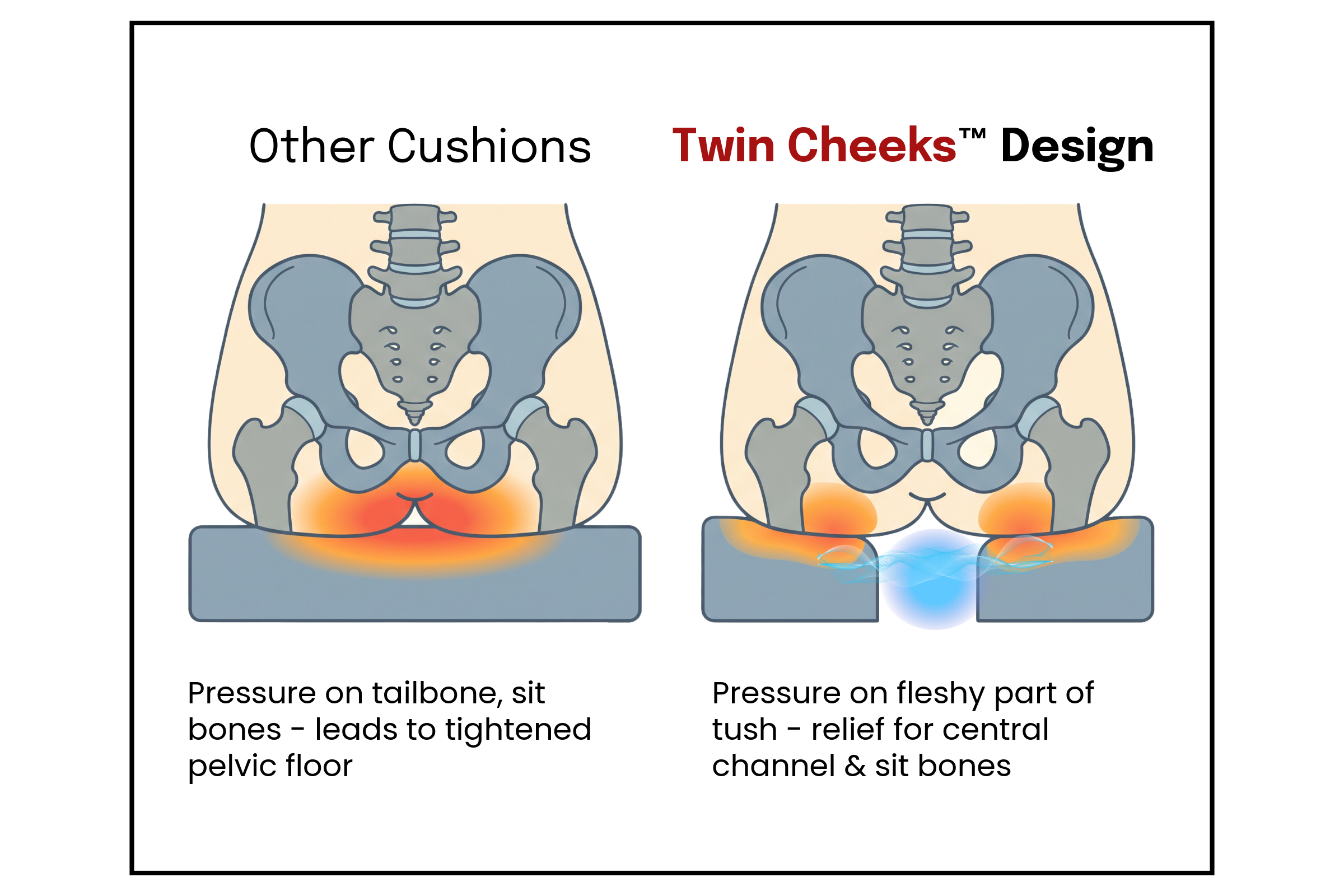
Not all cushions are created equal when it comes to pelvic pain. Most options you'll find—memory foam, gel cushions, donut cushions—focus on adding softness. While that might feel good initially, soft padding still allows pressure to push upward into sensitive tissues.
True relief requires removing pressure, not just padding it.
Why Traditional Cushions Fall Short
Memory Foam and Gel Cushions: These compress under your weight, eventually pushing pressure back into the pelvic floor and perineum.
Donut Cushions: While these remove pressure from the tailbone, they actually increase pressure on the pelvic floor and perineum—exactly where most men with CP/CPPS experience pain.
Generic Seat Pads: Standard cushions add thickness but don't change how pressure is distributed across your pelvis.
The Cushion Your Assets Difference
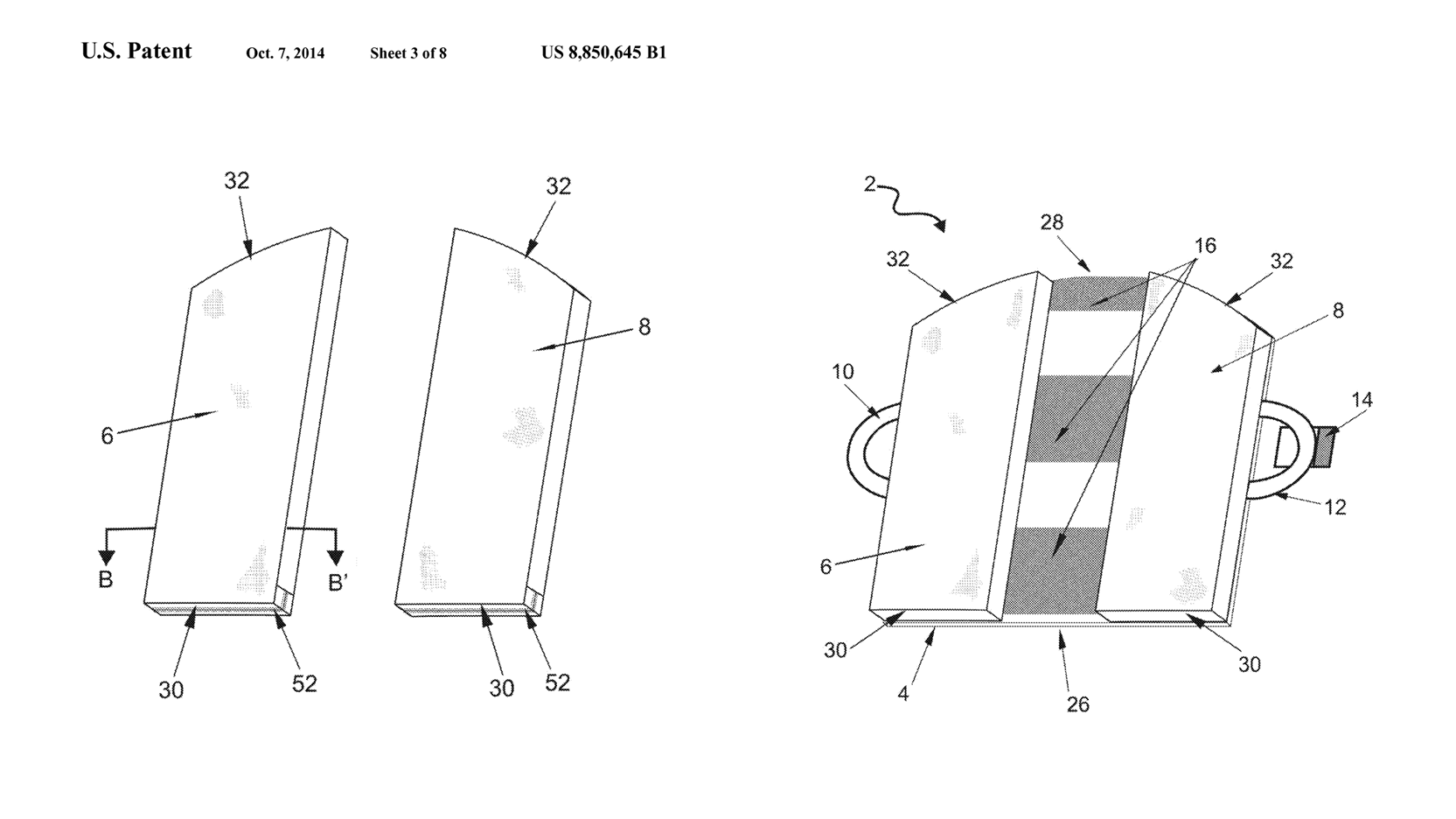
The Twin Cheeks Cushion uses a patented dual-panel design (U.S. Patent 8850645) that fundamentally changes how your body experiences sitting:
Dual-Panel Structure: Instead of one flat surface, the cushion features two independent side panels that support your sit bones—where your body is naturally designed to carry weight.
Center Channel Design: The space between the panels creates a pressure-free zone that runs front to back, taking pressure off the perineum, pelvic floor, and tailbone.
Adjustable Width: The panels attach with heavy-duty velcro, allowing you to position them at the exact width that works for your body.
Portable and Foldable: The cushion folds in half with built-in handles, making it easy to transport from your office chair to your car to restaurants or anywhere you need to sit.
Multiple Firmness Options: Choose from Soft, Medium, Medium Plus, Firm, Extra Firm, and Extra Cush to match your weight and comfort preferences. See our product page for more details.
The Right Seat Can Make a Big Difference
When pressure is removed from the pelvic floor and perineum:
Sitting at work becomes tolerable again
Driving doesn't trigger immediate discomfort
You can sit through meetings, meals, and social events
You stop constantly shifting or standing up for relief
Your pelvic floor muscles can relax instead of guarding against pressure
The Twin Cheeks Cushion doesn't cure CP/CPPS, but it removes one of the major aggravating factors—sitting pressure—giving your body a better chance to heal while you work with your healthcare providers on comprehensive treatment.
Real Results from Real People
The Twin Cheeks Cushion is recommended by pelvic floor physical therapists and urologists worldwide. Men with chronic prostatitis, pudendal neuralgia, and pelvic floor dysfunction have found it essential for maintaining their quality of life.
From pelvic pain support forums across the internet: "I've tried a variety of cushions that have failed at helping me sit but I've recently purchased the twin cheeks cushion from cushion your assets and it's been AMAZING. I got the extra firm model and it's allowed me to sit for long periods of time without increasing my pain at all."
Another user shared: "The twin cheeks cushion has been my life saver. It has allowed me to hang out (eat, movie theater) with my wife and family. It has also allowed me to keep flying when my job requires it."

Relief is possible with the right support and comprehensive treatment
Ready for Relief? Taking the Next Step
If sitting has become a source of pain and anxiety in your life, you deserve support that actually works.
Try the Twin Cheeks Cushion — Our bestselling, doctor-recommended cushion trusted by men with chronic pelvic pain worldwide.
✓ Patented dual-panel design removes pressure where it hurts most
✓ Adjustable width for a custom fit
✓ Portable and foldable for use anywhere
✓ Made in the USA with premium materials
✓ Multiple firmness options available
✓ 14-day return policy for peace of mind
Need Help Choosing?
We understand that everyone's pain is different. If you're unsure which firmness level is right for you, contact us at support@cushionyourassets.com. We're here to help you find the perfect cushion for your needs.
Find Specialized Care
Visit our Pelvic Pain Clinic Provider Directory to connect with pelvic floor physical therapists and pelvic pain specialists who understand CP/CPPS and can provide comprehensive treatment.
You're Not Alone in This Journey
Living with chronic pelvic pain can feel isolating, but there's a growing community of men who understand what you're going through—and healthcare providers who specialize in helping you heal.
Recovery takes time and often requires multiple approaches working together: physical therapy, lifestyle changes, medical management, and proper sitting support. But with the right tools and support, sitting can feel normal again.
You deserve to work, drive, and live your life without constant pain. That relief starts with removing pressure from the areas that hurt most—and continues with comprehensive care tailored to your unique situation.
Comfort is possible. Relief is real. Take the first step today.
Frequently Asked Questions
How long does it take for a pelvic pain cushion to help?
Many men notice reduced discomfort within the first few days of using a properly designed cushion. The Twin Cheeks Cushion may feel firm initially but will conform to your body within a couple of weeks while maintaining supportive structure.
Can a cushion cure chronic prostatitis?
A cushion addresses one major aggravating factor—sitting pressure—but comprehensive treatment for CP/CPPS typically includes pelvic floor physical therapy, lifestyle changes, and medical management. The cushion is an essential tool in your overall treatment plan.
Will insurance cover a therapeutic seat cushion?
Some insurance plans and HSA/FSA accounts cover therapeutic cushions with a prescription from your doctor. Contact us if you need assistance with documentation.
What firmness level should I choose? Firmness is generally matched to body weight:
Soft — under 120 lbs
Medium — 120-150 lbs
Medium Plus — 130-180 lbs
Firm — 170-200 lbs
Extra Firm — 200 lbs and up
Extra Cush 3” — for 170lb+ who need a softer seat
Contact us for personalized recommendations based on your specific situation.
Stay ahead with the latest pelvic pain research, resources, and tips — delivered straight to your inbox.
*This article is for informational purposes only and does not replace professional medical advice. If you're experiencing persistent pelvic pain, please consult with a qualified healthcare provider for proper diagnosis and treatment.
About Cushion Your Assets: Founded by Trudy Jackson, who lived with chronic pelvic pain for 17 years, Cushion Your Assets makes patented, therapist-recommended cushions designed to assist in pelvic pain recovery. We also maintain a Provider Directory of 270+ pelvic health specialists to help you find care near you. All products are made and sourced in the USA.