
Pelvic Pain When Sitting: What You Should Know
Pelvic pain when sitting is more common than most people realize.
Whether it shows up as pressure, a deep ache, burning, nerve pain, or a feeling that something is “off,” sitting can make everything feel worse — even if you feel fine while standing or walking.
If you’ve been shifting in your chair, avoiding long drives, or feeling dread before sitting down to work, you are absolutely not alone, and there are answers.
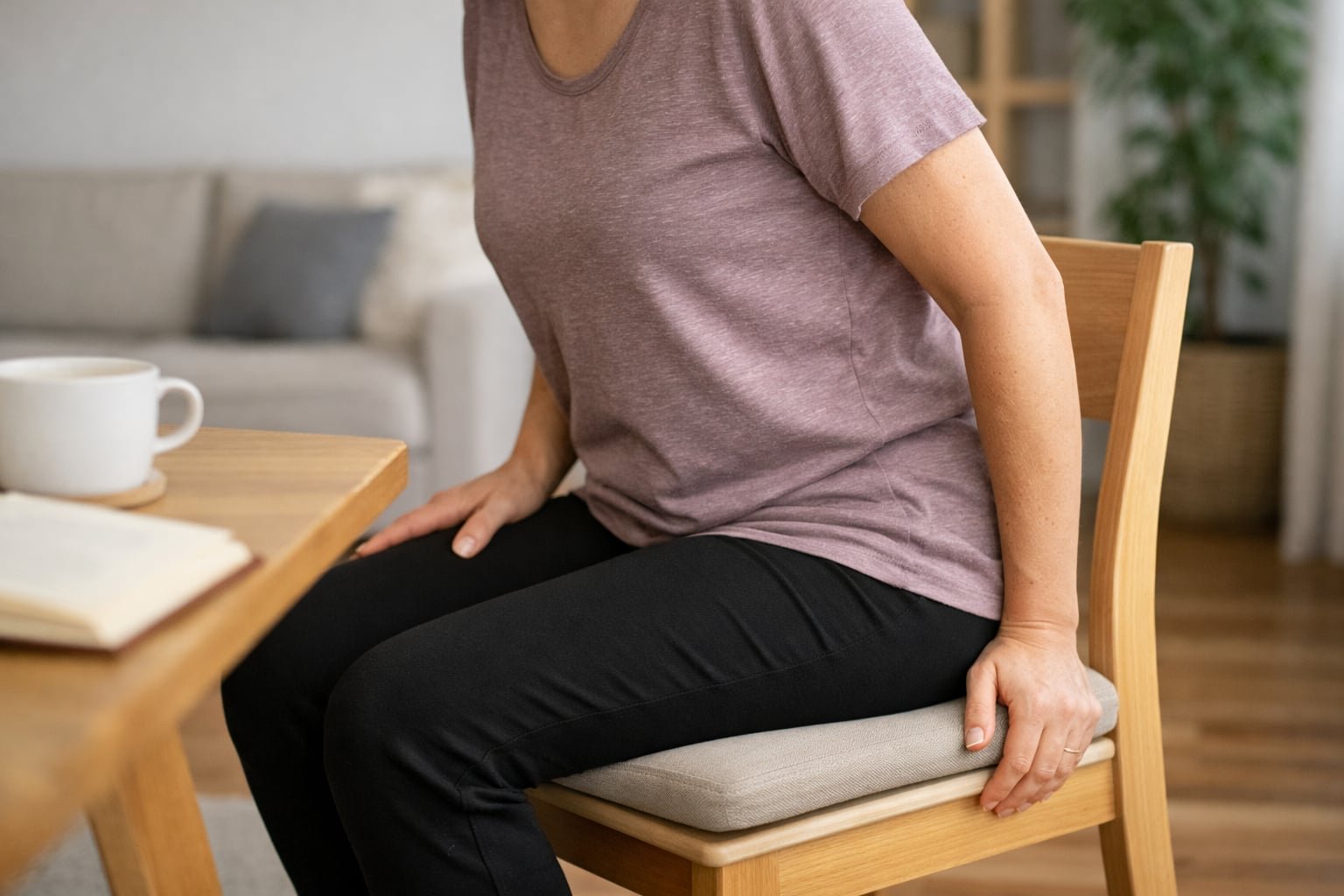
Why Sitting Makes Pelvic Pain Worse
When you sit, your entire body weight shifts into a small base of support: your pelvic floor, sit bones, tailbone, hips, and lower spine.
If any part of that structure is irritated, tight, strained, or inflamed, sitting increases pressure exactly where it hurts most.
Here are the most common reasons:
1. Pelvic Floor Tension
If the pelvic floor is holding too much tension (something VERY common), sitting can make the muscles tighten even more.
This often feels like:
deep pressure or aching
heaviness
burning
difficulty relaxing
2. Nerve Compression
The pudendal nerve, sciatic nerve, and other pelvic nerves can become irritated when sitting — especially on firm or unsupportive surfaces.
This can feel like:
sharp or stabbing pain
tingling
burning
numbness
3. Tailbone Sensitivity
A tailbone that’s irritated, tilted, or has a past injury becomes compressed when sitting — especially on soft couches or slumped posture.
4. Hip or SI Joint Imbalance
Posture shifts, one-sided tightness, or SI joint irritation can make sitting feel uneven or painful on one side.
5. Pressure on the Perineum
Hard chairs or sinking into soft cushions can press directly into sensitive tissues between the sit bones.
6. Posture & Alignment
Many of us unintentionally tuck the tailbone or slump forward, increasing pressure on the pelvic floor and tailbone.
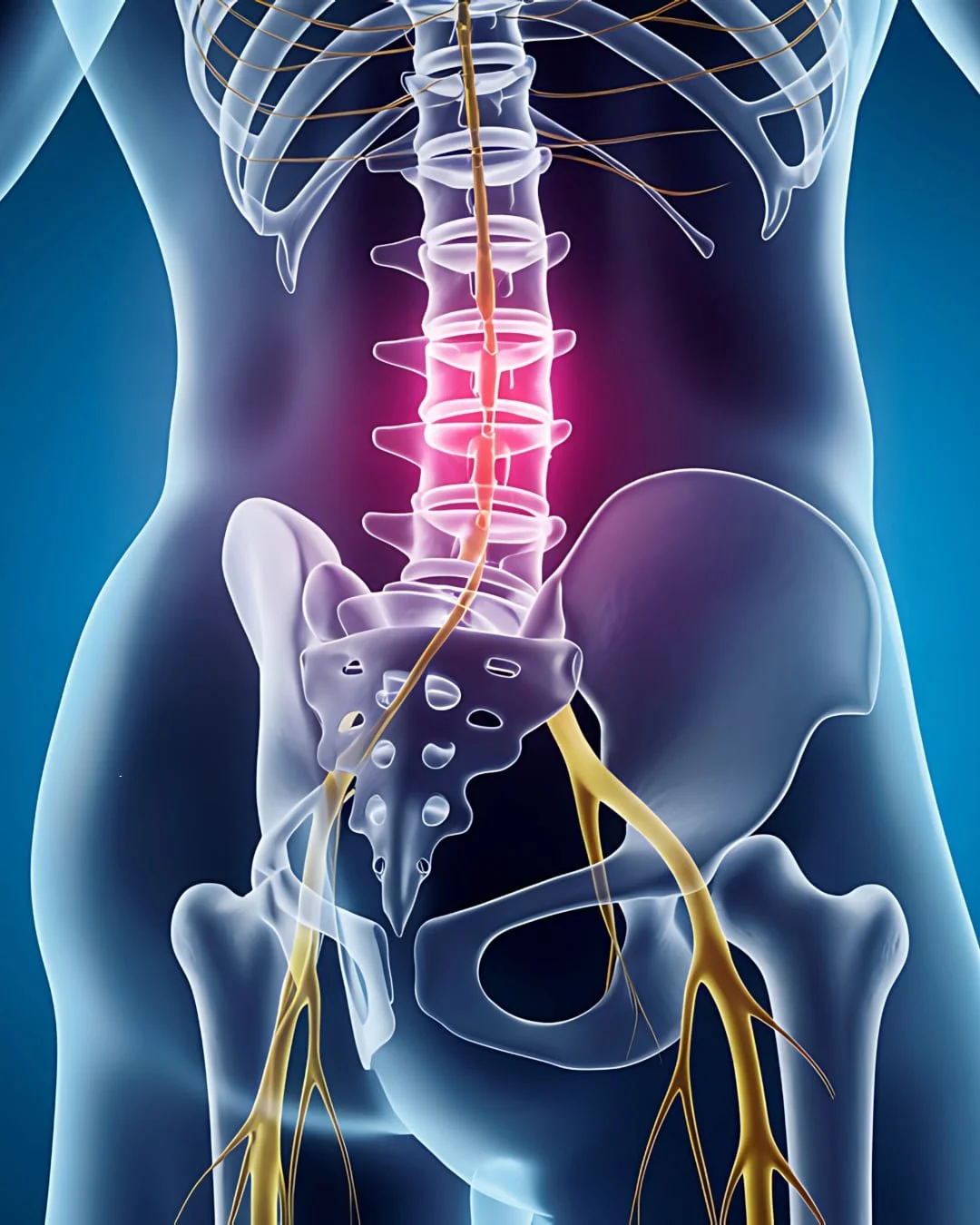
Common Conditions Connected to Sitting Pain
Sitting can aggravate or be linked to:
Pelvic floor dysfunction
Pudendal neuralgia
SI joint pain
Tailbone (coccyx) pain
Hip flexor tension
Vulvodynia
Ischial tuberosity pain (“sit bone” pain)
Muscle overuse from long periods of sitting
Pregnancy or postpartum changes
These conditions often overlap, which is why sitting pain can feel confusing — but the pattern is almost always about pressure + alignment.
Why Regular Cushions Don’t Work
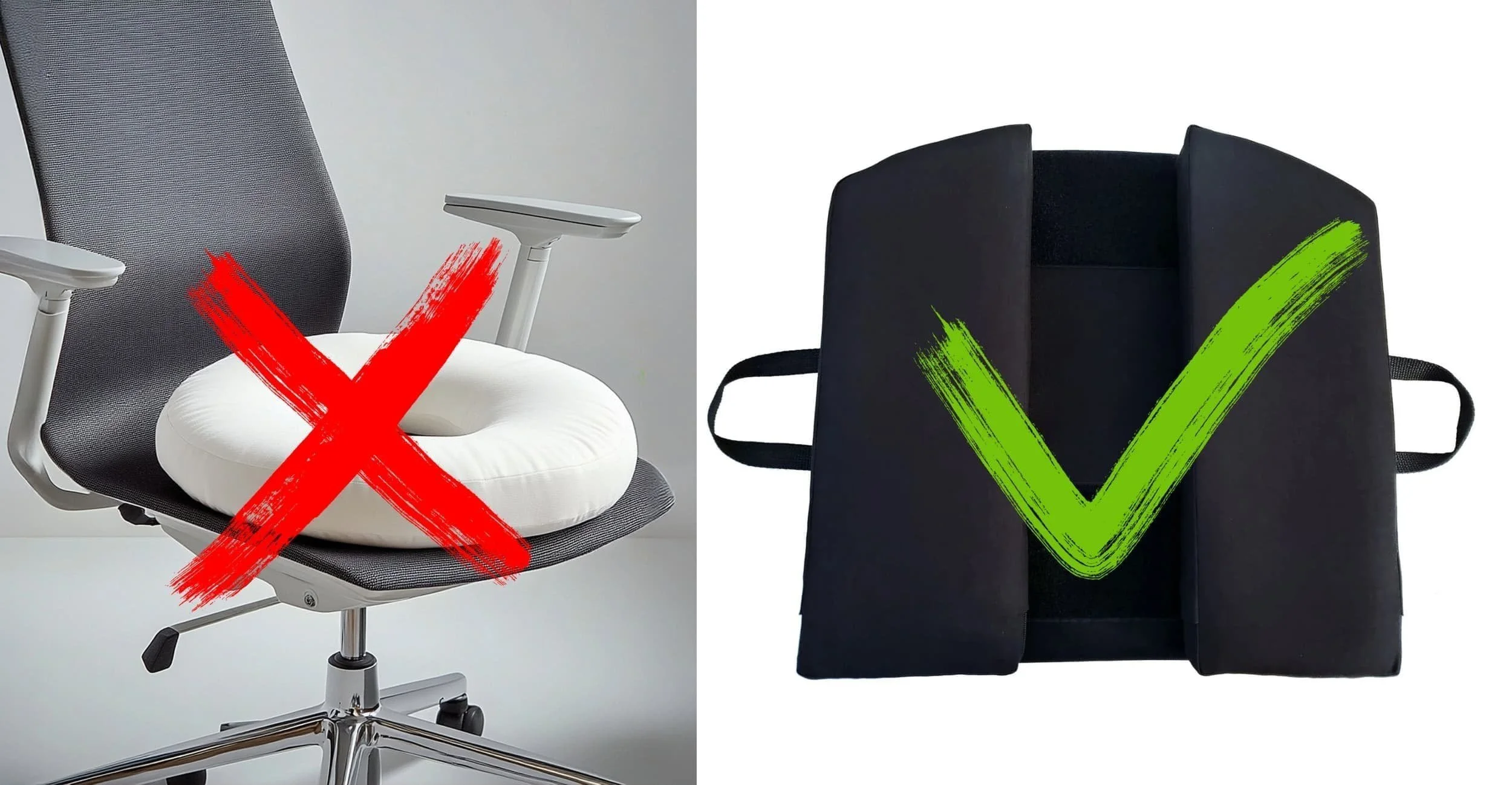
Most cushions aren’t designed with pelvic anatomy in mind. They’re made for general comfort — not pelvic pressure relief.
That means they often:
collapse under weight
push pressure into muscles/nerves
tilt the pelvis backward
worsen tailbone strain
make you sink, not lift
And donut cushions? Those take pressure off the center but increase pressure on the pelvic floor and sit bones. Many people feel worse using them.
What your pelvis actually needs is redistribution, not softness.
What Actually Helps Pelvic Pain When Sitting
Small changes can make a surprisingly big difference:
Support your sit bones, not your pelvic floor. A properly designed pelvic cushion lifts the sit bones so pressure is taken off sensitive tissues and nerves.
Keep your pelvis neutral. Avoid tucking the tailbone or slumping forward — both increase pelvic floor strain.
Ground your feet. Feet flat on the floor reduces tension through the lower back and pelvic floor.
Change positions often. Standing up every 30–60 minutes helps release compression.
Avoid overly soft surfaces. Couches and deep chairs create tailbone flexion and pelvic floor pressure.
Strengthen and relax the pelvic floor. Not just Kegels — relief often comes from balancing both activation and relaxation.
How the Right Pelvic Cushion Can Relieve Sitting Pain
A well-designed pelvic pain cushion doesn’t just make sitting feel softer — it changes the way your body carries pressure. When support is placed under the sit bones instead of the pelvic floor or tailbone, the entire pelvic area gets a chance to decompress.
A pelvic-specific cushion can:
✔ reduce pressure on the pelvic floor
✔ keep weight off the tailbone
✔ relieve compression around irritated nerves
✔ improve pelvic alignment
✔ support the sit bones instead of soft tissues
✔ help you sit longer without discomfort
Why the Cushion Your Assets Feel Better: It’s Patented for Pelvic Anatomy
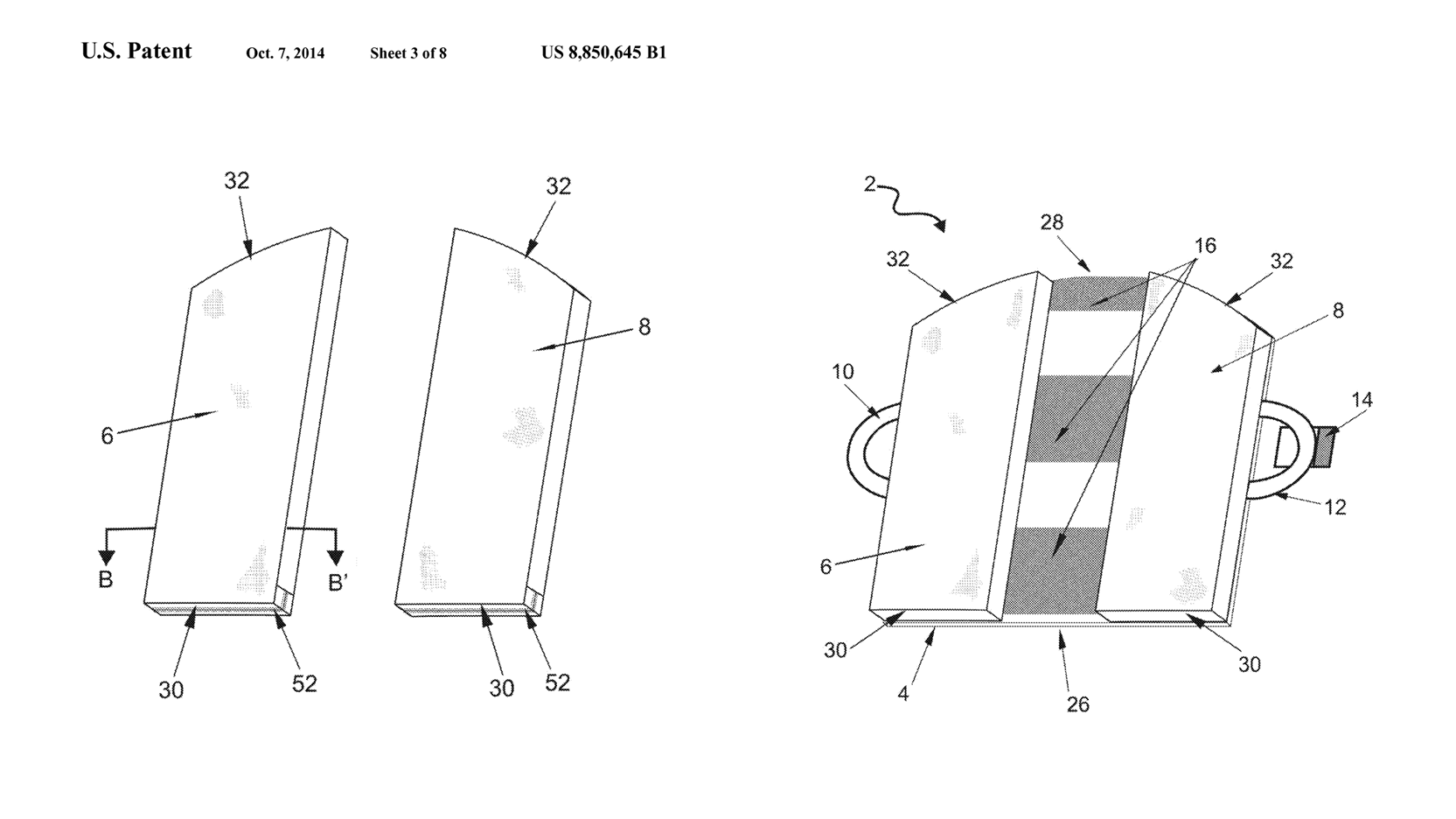
Design for U.S. Patent 8850645
Most cushions are made for general comfort, but this one is engineered specifically for the alignment and pressure points of the pelvis. The patented design uses a unique cutout + contour structure that:
lifts the sit bones so your bodyweight is supported by bone (not the pelvic floor)
creates a relief channel that prevents compression on the pudendal nerve
prevents tailbone pressure without making you tilt backward
keeps your pelvis in neutral alignment so your muscles and ligaments aren’t strained
stops the sinking/slouching effect that happens with traditional cushions
This design wasn’t created by accident — it's based on biomechanics, pelvic anatomy, and countless real-world use cases from people who struggled with pain while sitting.
Most users describe the difference as almost instant: “I didn’t realize how much the chair was hurting me until I finally sat on the right cushion.”
You Deserve to Sit Comfortably
Pelvic pain when sitting can take over your day — work, driving, relationships, hobbies, everything. But it doesn’t have to stay that way. With the right support, sitting can feel normal again. Comfort is possible. Relief is possible.
If sitting has been painful or stressful, you’re not alone — and you’re not stuck.
Explore the Cushion Your Assets Pelvic Pain Cushion and feel the difference yourself.
Stay ahead with the latest pelvic pain research, resources, and tips — delivered straight to your inbox.

This article is for informational purposes only and does not replace professional medical advice, diagnosis, or treatment. Always consult qualified healthcare providers for personalized medical guidance.
About Cushion Your Assets: Founded by Trudy Jackson, who lived with chronic pelvic pain for 17 years, Cushion Your Assets makes patented, therapist-recommended cushions designed to assist in pelvic pain recovery. We also maintain a Provider Directory of 270+ pelvic health specialists to help you find care near you. All products are made and sourced in the USA.
