
Pelvic Pain During Pregnancy When Sitting?
If sitting has become an uncomfortable part of your pregnancy, you’re not alone.
Desk chairs, driving, dining, sitting at the dinner table, and even your couch can make pain worse without the right support.
This guide explains why pregnancy pelvic pain happens — and how the right cushion can make daily life feel normal again.

The Way You Sit Might Be Making Things Worse
During pregnancy, your pelvis becomes more sensitive to pressure, and most everyday seats place that pressure in the wrong places.
Hard chairs, deep couches, and car seats often load weight into:
The pelvic floor
The pubic bone
The tailbone
The soft tissue around the sit bones
All of these areas are already working harder during pregnancy. When pressure lands here, discomfort builds quickly, especially during:
Working at a desk
Driving even short distances
Sitting at a table
Trying to relax on the couch
Walking in public (stores, offices, parks)
If you notice that sitting anywhere feels uncomfortable — or that standing up afterward feels even worse — it’s usually the seat, not you.
👉 That’s why the surface you sit on matters more than people think.
How the Right Seat Cushion Will Help
A good seat cushion helps take pressure off the areas that are already overstressed, so sitting doesn’t become another thing you have to push through.
The right cushion can help relieve:
Deep pelvic aching
Sharp pain when standing up
Burning or nerve discomfort
The pressure that makes sitting — or even relaxing — uncomfortable
With proper support, sitting becomes something that helps your pregnancy — not something that hurts.

Try Our Patented Cushions for Relief
Many people try to fix pregnancy pelvic pain with whatever seat cushion they can find on Amazon or Target.
But most cushions aren’t designed to support a pelvis in the right way.
Common cushions:
Memory foam cushions
Ergonomic cushions
Donut hole cushions
…might feel soft, but softness alone doesn’t remove pressure. It actually pushes upward into the exact areas that feel tender during pregnancy.
This is where our patented design makes ALL the difference.
Dual-panel structure. Instead of one large pad, your cushion has two raised side panels. These lift and support your sit bones, where your body is naturally meant to carry weight.
A center channel (the “pressure-free zone”). The space between the panels means your pelvic floor, pubic bone, and tailbone aren’t pressed into. This reduces irritation, nerve flares, and aching.
Better alignment while sitting. Most pregnant women naturally lean back or forward when they’re uncomfortable. Our cushion helps your pelvis settle into a more neutral, balanced position — without forcing you into it.
Portable comfort anywhere you go. You can fold the two handles together, “close” the cushion, and bring it to work, restaurants, or appointments.
If sitting hurts, you shouldn’t lose comfort just because you left home.
Not feeling relief? Sometimes you just need a different thickness or foam type. Reach out — we help match you with the right version.
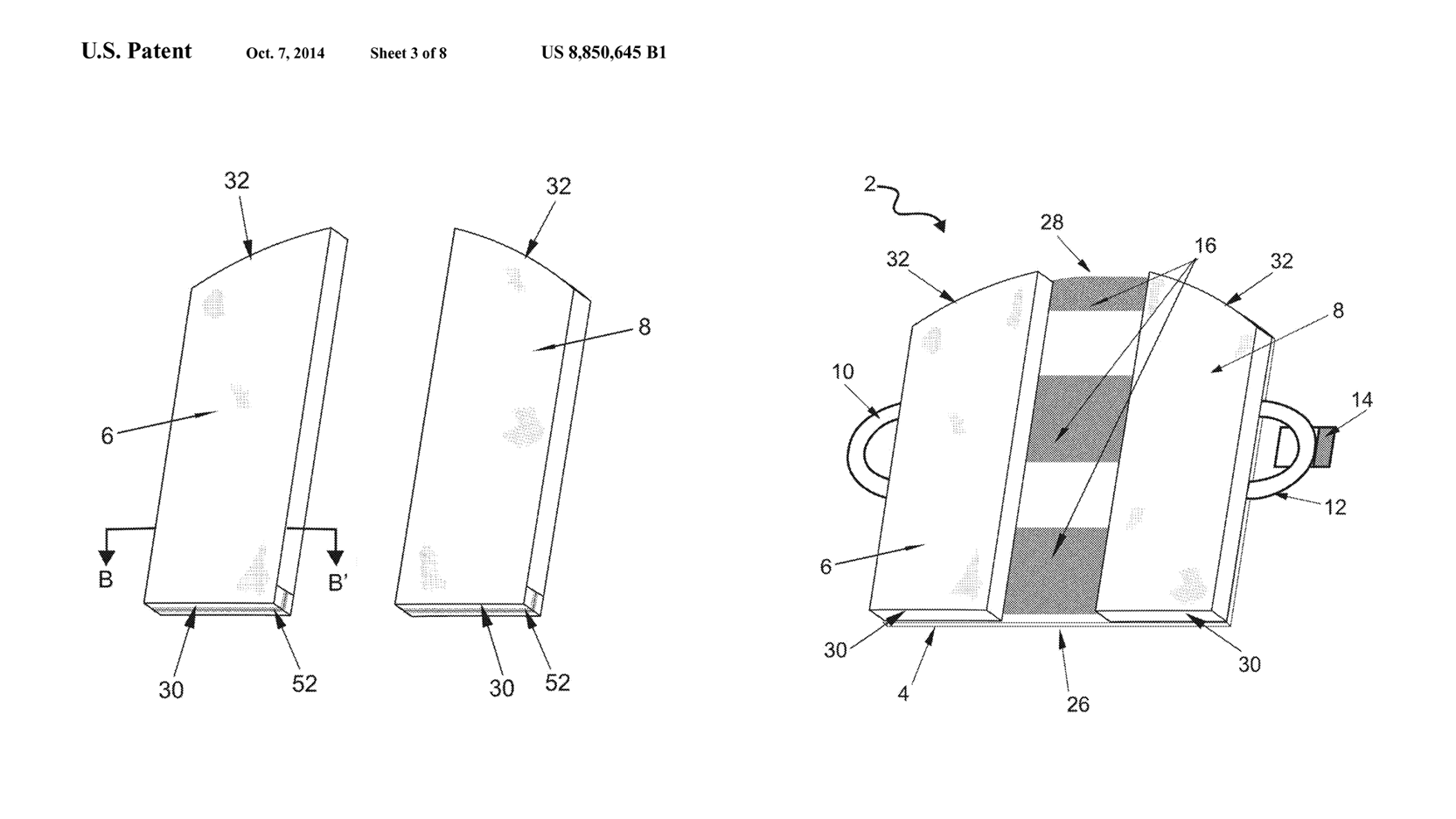
Our US Patented pelvic pain cushion was designed for you in mind. It solves the pressure problem the way other cushions don’t.
Ready to Enjoy Sitting Again?
If sitting has become uncomfortable, the right cushion can make a real difference.
Our patented design supports your pelvis where it needs it most, so you can sit with less pressure and more relaxation throughout your pregnancy.
You deserve to feel better while you work, drive, rest, and enjoy time with friends and family.

Stay ahead with the latest pelvic pain research, resources, and tips — delivered straight to your inbox.

This article is for informational purposes only and does not replace professional medical advice, diagnosis, or treatment. Always consult qualified healthcare providers for personalized medical guidance.
About Cushion Your Assets: Founded by Trudy Jackson, who lived with chronic pelvic pain for 17 years, Cushion Your Assets makes patented, therapist-recommended cushions designed to assist in pelvic pain recovery. We also maintain a Provider Directory of 270+ pelvic health specialists to help you find care near you. All products are made and sourced in the USA.
