
How to Choose the Best Seat Cushion for Pelvic or Tailbone Pain
People ask about finding the best seat cushions for many different reasons.
Some are dealing with pelvic pain.
Some have tailbone discomfort.
Some sit all day for work.
Some are recovering from pregnancy, surgery, or injury.
Others just can’t sit comfortably anymore and don’t know why.
The problem is that most seat cushions are marketed the same way — thicker, softer, more padded — even though those features don’t always solve the underlying issue.
This guide explains how to think about seat cushions, so you can choose one that actually supports your body.

Sitting comfortably is one of the most important things you can do for your body.
Why “More Padding” Usually Isn’t the Answer
Most cushions you’ll find online fall into a few categories:
memory foam cushions
gel or cooling cushions
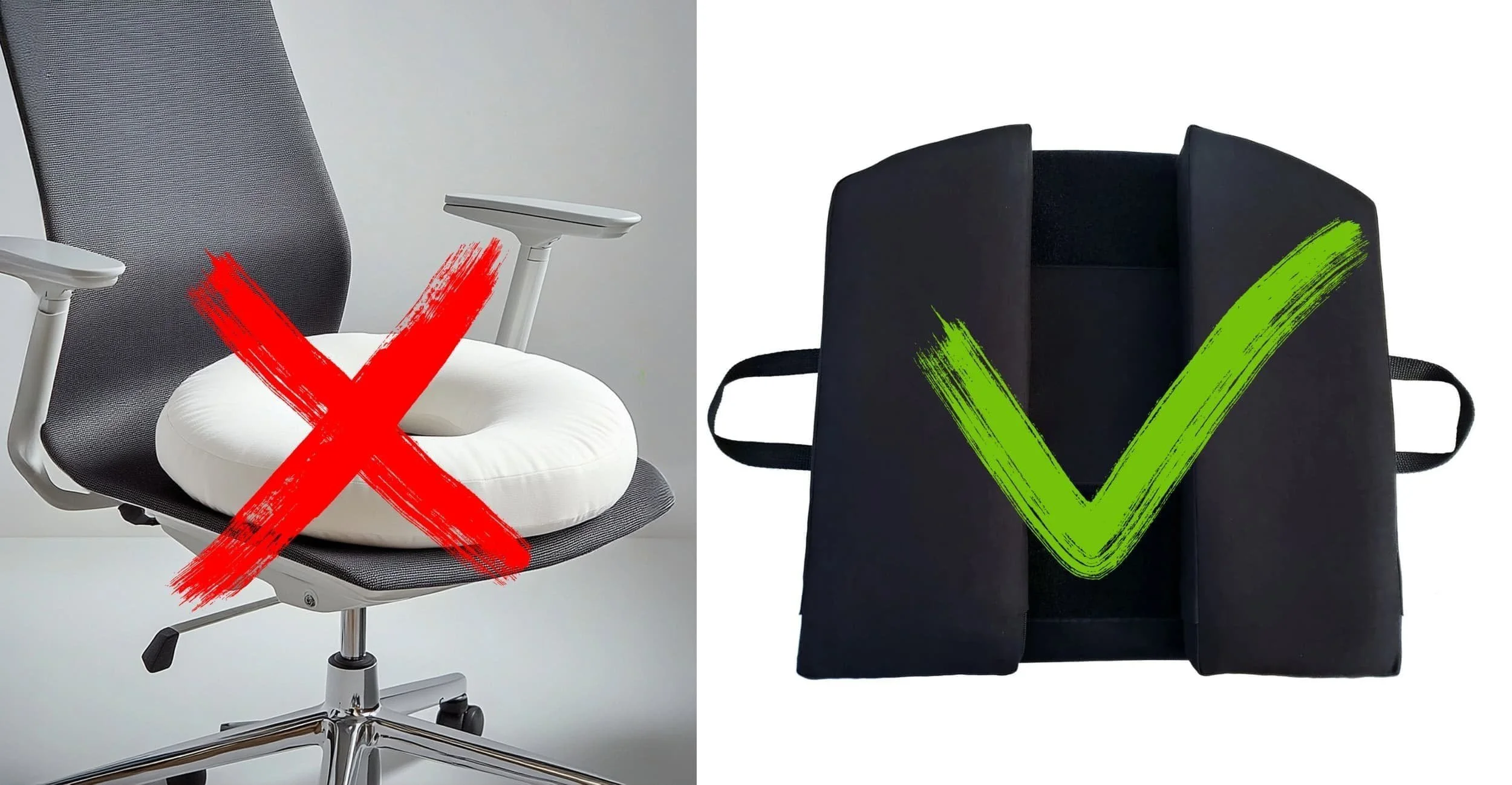
donut-shaped cushions
extra-thick foam pads
These designs focus on softness. That can feel good briefly, but padding alone doesn’t change how pressure is distributed when you sit.
Over time, most soft cushions:
compress under body weight
concentrate pressure in sensitive areas
lose their shape
feel uncomfortable after longer sitting sessions
That’s why many people say a cushion helped at first, then stopped helping.
The Real Issue: Pressure Distribution While Sitting
When you sit, your body weight must be supported somewhere.
On flat chairs — and flat cushions — pressure often concentrates:
at the tailbone
through the center of the seat
into soft tissues of the pelvic area
For some people, this pressure is tolerable. For others, it leads to discomfort, fatigue, or pain.
Effective seat cushions don’t eliminate pressure — they redirect it.
Why Pelvic Support Matters (Even If You Don’t Have a Diagnosis)
“Pelvic support” isn’t just for people with diagnosed conditions.
The pelvis is the base of your spine. How it’s supported affects:
tailbone comfort
sitting endurance
posture without forcing it
how evenly weight is distributed
A cushion that supports the sit bones and reduces pressure through the center tends to feel very different from one that simply adds padding.
This is often the missing piece for people who have tried multiple cushions without success.
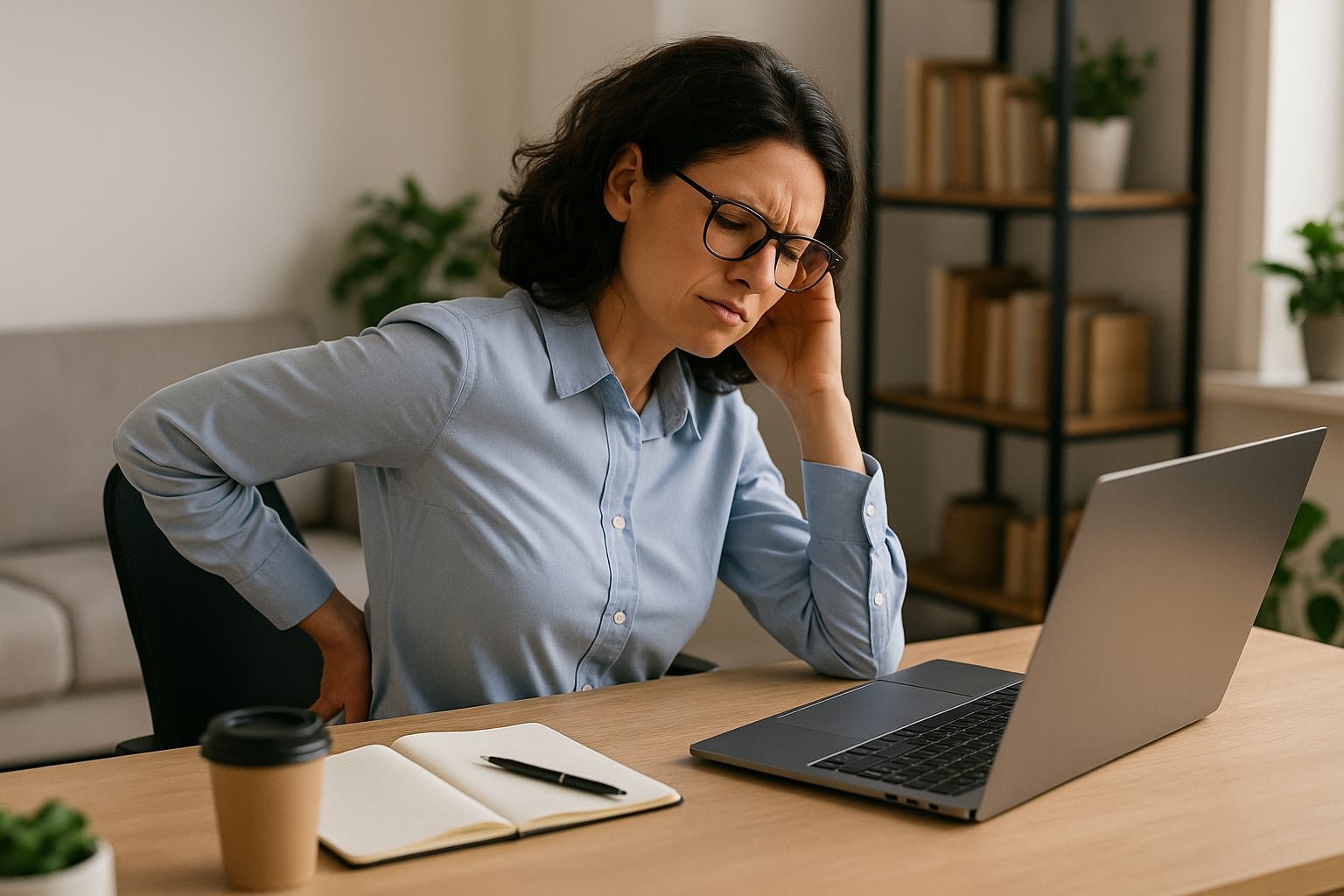
Sitting pain can effect every area of your life, especially work.
What Actually Makes the Best Seat Cushion
When evaluating a seat cushion, these factors matter more than brand names or thickness:
Structural support: A cushion should maintain its shape under body weight.
Pressure relief through the center: Creating space where pressure causes discomfort is often more effective than cushioning it.
Sit bone support: Supporting the sit bones helps stabilize posture naturally.
Comfort over time: The true test is how it feels after 30–60 minutes, not the first few minutes.
Portability: Being able to bring your seat cushion with you easily wherever you go, because we don’t just sit at home.
Cushions that meet these criteria tend to work across many different use cases.
Why Pressure & Portability Matter Most
A smaller category of seat cushions is designed around pressure redistribution, not padding.
These designs typically:
support weight at the sit bones
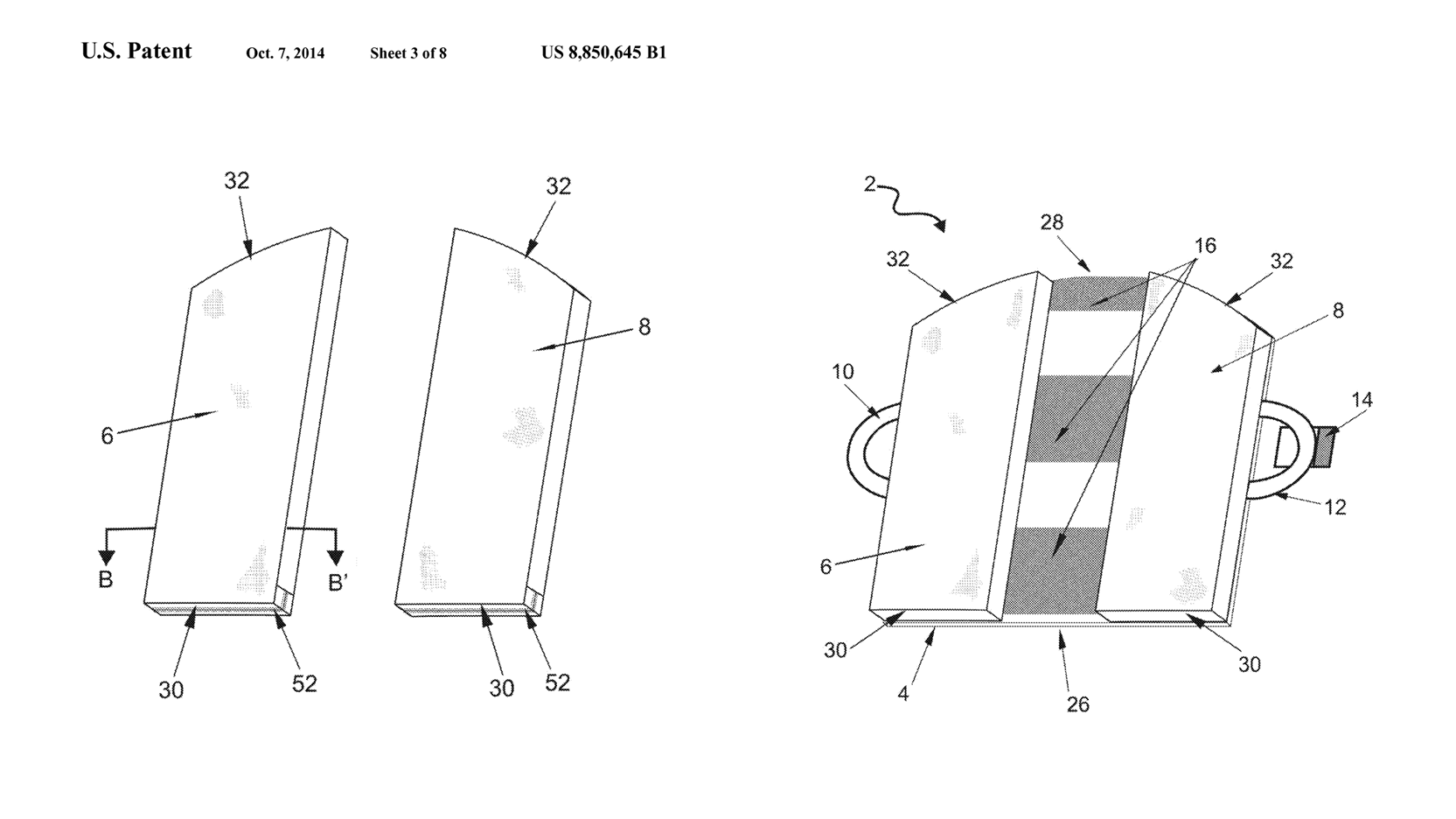
create a center channel or relief area
maintain firmness and structure
This approach is often used in clinical or therapeutic seating, but it’s becoming more common in consumer products as people look for long-term sitting comfort rather than short-term softness.
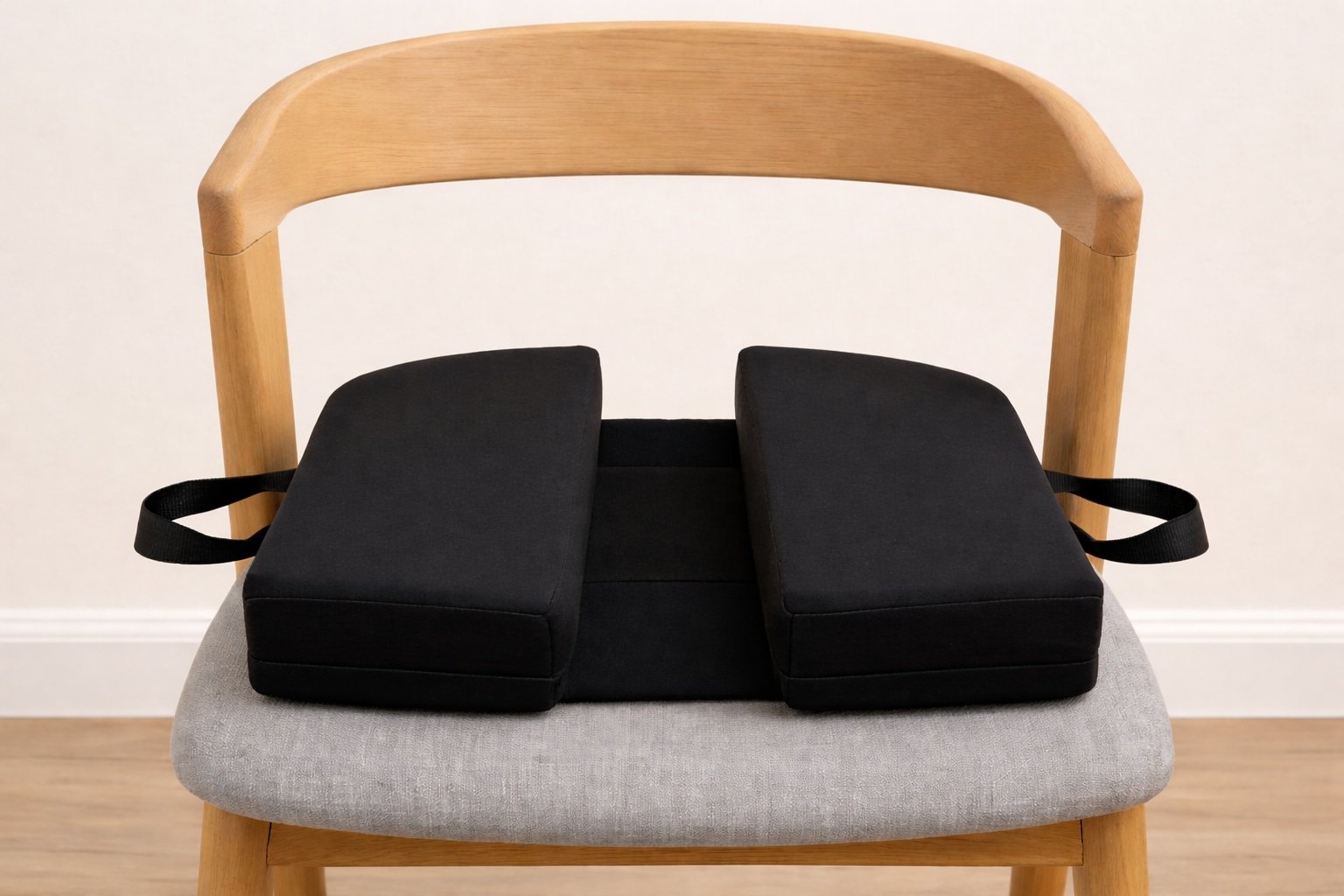
Cushion Your Assets was designed with this same priority: changing where pressure goes when you sit, instead of simply adding more material underneath you.
As the design evolved, practicality mattered too. Because the cushion is structured rather than bulky, it naturally became easier to handle and reposition. The dual-panel design allows the cushion to fold inward, bringing the two side handles together so it can be carried easily.
That means the same pressure-relieving support can be used wherever sitting happens—not just on one chair at home.
Who This Type of Cushion Helps Most
This style of cushion tends to help people who:
sit for extended periods
experience tailbone or pelvic discomfort
find that soft cushions flatten quickly
want support without rigid posture correction
need something adaptable across chairs and environments
It’s less about treating a specific condition and more about supporting how, when, and where the body actually sits.
The Key Takeaway
When choosing a great seat cushion, the most useful question isn’t: “Which one is the softest?”
It’s: “How does this cushion handle pressure when I sit, and can I bring it with me wherever I go?”
Understanding that difference saves time, money, and frustration — and leads to better results.
If you’re exploring seat cushions for pelvic or tailbone comfort, this perspective is a good place to start.
Stay ahead with the latest pelvic pain research, resources, and tips — delivered straight to your inbox.
This article is for informational purposes only and does not replace professional medical advice, diagnosis, or treatment. Always consult qualified healthcare providers for personalized medical guidance.
About Cushion Your Assets: Founded by Trudy Jackson, who lived with chronic pelvic pain for 17 years, Cushion Your Assets makes patented, therapist-recommended cushions designed to assist in pelvic pain recovery. We also maintain a Provider Directory of 270+ pelvic health specialists to help you find care near you. All products are made and sourced in the USA.
