
Sitting After Hemorrhoid Surgery: What Helps During Recovery
Sitting can feel surprisingly difficult after hemorrhoid surgery. Even short periods in a chair can trigger sharp discomfort, pressure, or the urge to stand back up almost immediately.
This isn’t a sign that something is wrong with your recovery. It’s usually a pressure issue — and most chairs make it worse.
This guide explains why sitting is so uncomfortable after hemorrhoid surgery, what typically doesn’t help, and what actually makes sitting feel more manageable while you heal.
Why Sitting Feels So Uncomfortable After Hemorrhoid Surgery
After surgery, the tissues around the perineum and rectal area are sensitive and inflamed. Even normal body weight can feel amplified when it’s concentrated in the wrong place.
Most chairs place pressure directly through the center of the seat — exactly where your body is trying to recover. When pressure stays focused there, it can lead to:
sharp or burning discomfort when sitting
increased soreness after short sitting periods
frequent shifting or standing breaks
tension from bracing before sitting down
This is why many people feel fine standing or walking, but uncomfortable almost immediately once they sit.
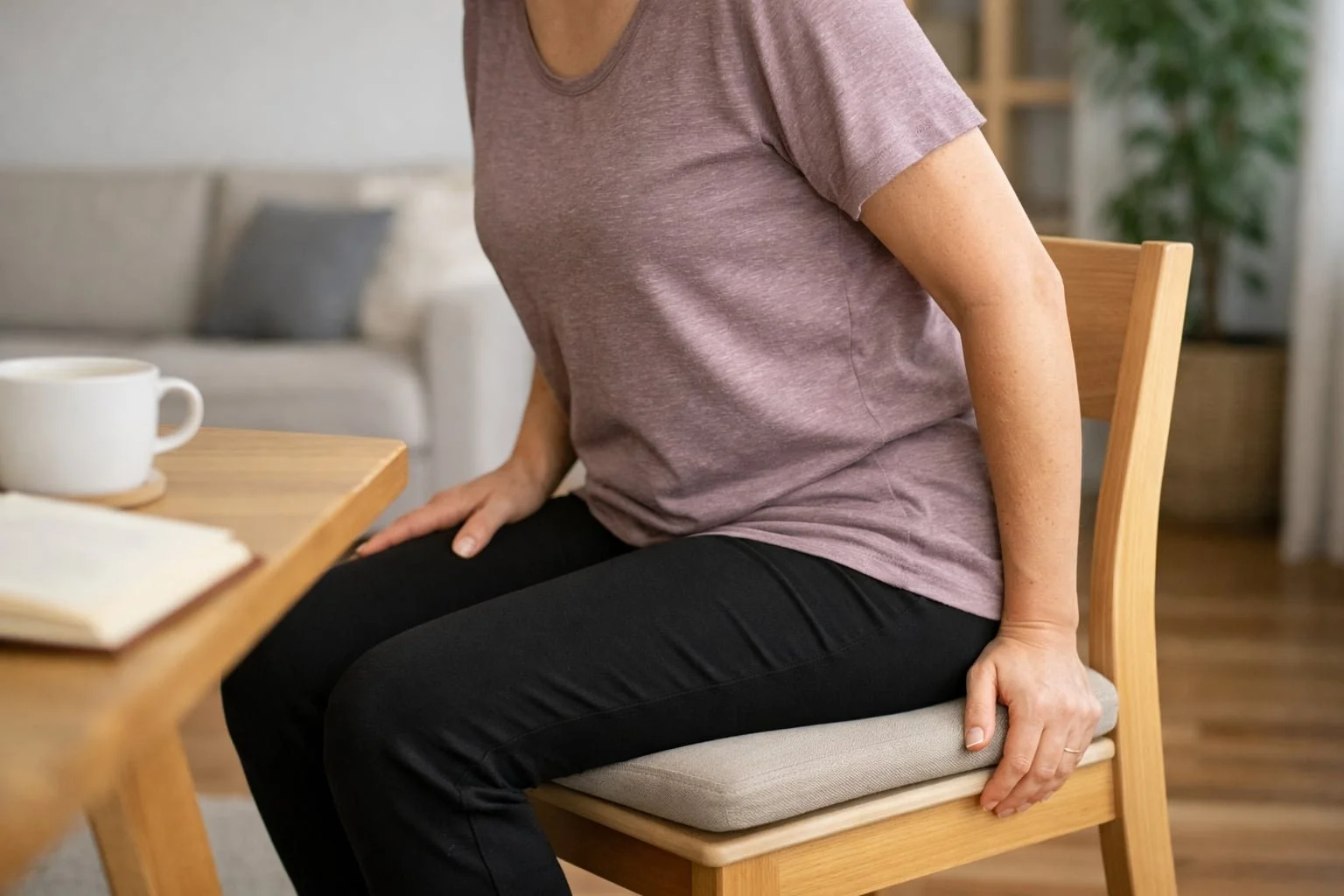
Common Seating Solutions Often Don’t Help
It’s common to be told to “use a cushion” after hemorrhoid surgery. But not all cushions reduce pressure in the same way.
Many people try:
regular pillows
flat foam seat cushions
gel or cooling cushions
donut-shaped cushions
While these may feel softer at first, they often still allow pressure to land in the center of the seat. In some cases, donut cushions can even increase pressure around the surgical area by forcing weight inward instead of redistributing it.
Softness alone isn’t enough. Pressure placement is what matters most during recovery.
What Actually Helps When Sitting After Hemorrhoid Surgery
Relief comes from removing pressure, not just padding it.
A seating solution that helps during recovery should:
support the sit bones instead of the center
create space through the middle of the seat
stay stable without collapsing
allow you to sit without bracing or shifting constantly
When pressure is redirected away from the surgical area, sitting often becomes noticeably easier — even on chairs that previously felt unbearable.
How Cushion Your Assets Supports Recovery
Cushion Your Assets cushions are designed around pressure redistribution, not softness alone.
Our patented dual-panel design supports the sit bones while creating a center channel that keeps pressure off sensitive areas. Instead of compressing under your weight, the cushion maintains structure and space where your body needs relief most.
This design helps:
reduce direct pressure on the surgical area
improve sitting tolerance during recovery
make everyday moments — meals, car rides, rest — more comfortable
It’s a small change that can make sitting feel possible again while your body heals.
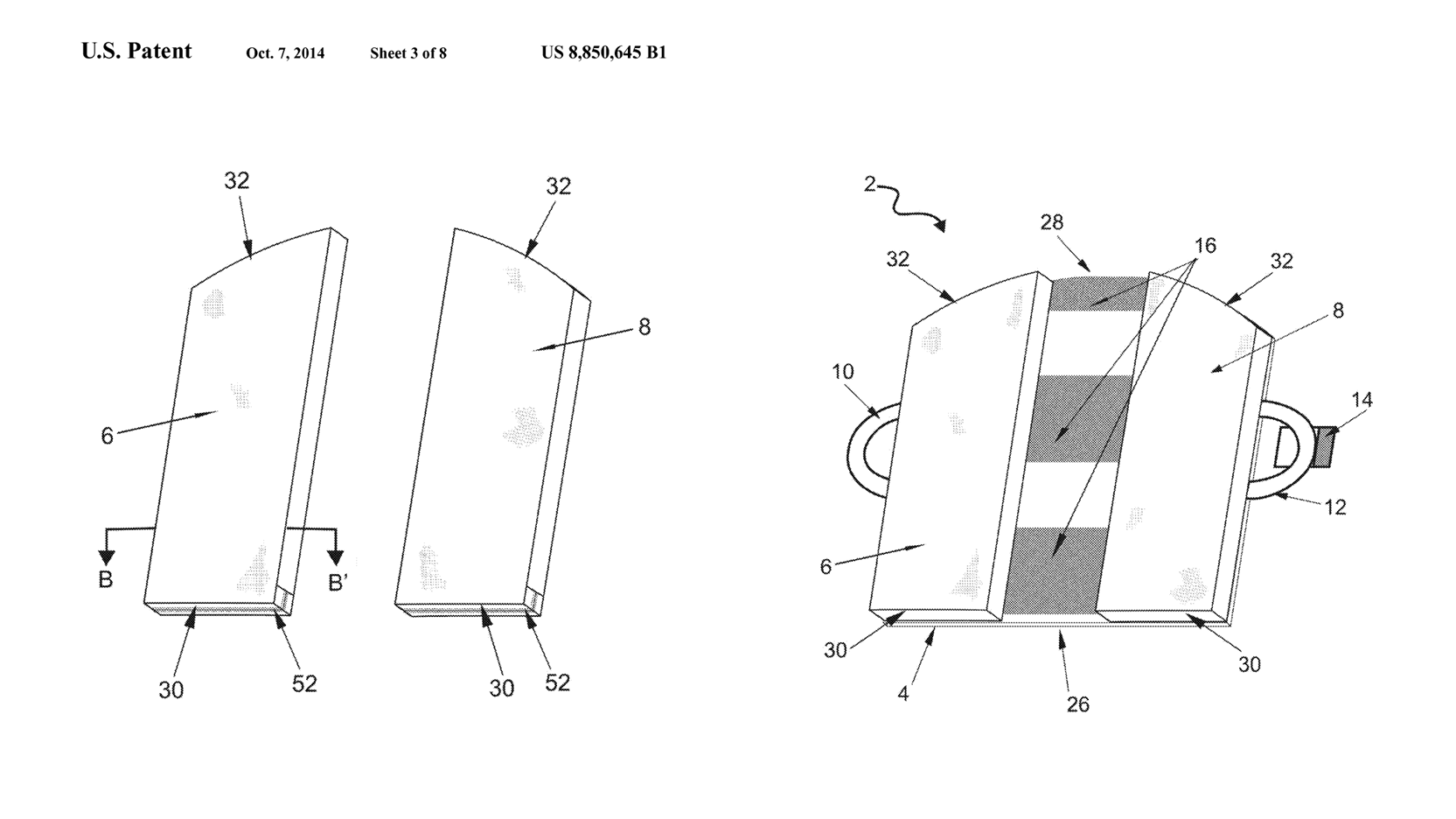
US Patent 8850645 Cushion Your Assets Dual Panel Design
When to Consider a Pressure-Relief Cushion
You may benefit from a pressure-relief cushion if:
sitting causes immediate discomfort after surgery
hard chairs feel impossible
soft couches still create pressure
you’re avoiding sitting longer than necessary
recovery feels slowed by sitting pain
Healing takes time — but sitting doesn’t have to be something you dread.
Sit More Comfortably During Recovery
Hemorrhoid surgery recovery already asks a lot of your body. Supporting how you sit can make a meaningful difference.
Stay ahead with the latest pelvic pain research, resources, and tips — delivered straight to your inbox.
This article is for informational purposes only and does not replace professional medical advice, diagnosis, or treatment. Always consult qualified healthcare providers for personalized medical guidance.
About Cushion Your Assets: Founded by Trudy Jackson, who lived with chronic pelvic pain for 17 years, Cushion Your Assets makes patented, therapist-recommended cushions designed to assist in pelvic pain recovery. We also maintain a Provider Directory of 270+ pelvic health specialists to help you find care near you. All products are made and sourced in the USA.
