
How to Find the Right Healthcare Provider for Chronic Pelvic Pain

Finding the right specialist can feel overwhelming, but this guide helps
If you're experiencing chronic pain when sitting, you're not alone—and you're probably confused about where to turn for help.
The truth is, sitting pain can stem from many different conditions, and unfortunately, there's no single "sitting pain specialist" you can call. Many people see 3-7 different providers before getting an accurate diagnosis, enduring months or years of frustration, unsuccessful treatments, and medical bills.
But here's the good news: there ARE providers who specialize in these conditions. You just need to know where to look and what questions to ask.
This guide will help you navigate the healthcare system to find the right specialist for your specific type of sitting pain.
Understanding Sitting Pain: It's Not One Condition
Before we talk about which doctors to see, it's important to understand that "sitting pain" is a symptom, not a diagnosis. The pain you feel when sitting could be caused by:
Musculoskeletal Issues:
Pelvic floor muscle dysfunction
Levator ani syndrome
Tailbone (coccyx) injuries
Sacroiliac joint dysfunction
Piriformis syndrome
Nerve-Related Conditions:
Pudendal neuralgia (nerve entrapment)
Pelvic nerve compression
Sciatica affecting the pelvic region
Organ-Related Conditions:
Prostatitis (men)
Endometriosis (women)
Interstitial cystitis/painful bladder syndrome
Inflammatory bowel conditions
Functional Disorders:
Chronic pelvic pain syndrome
Chronic proctalgia (rectal pain)
Pelvic floor tension/spasm
Because these conditions overlap in symptoms, finding the right provider often requires seeing specialists in different fields. Let's break down who treats what.
Healthcare Providers Who Treat Sitting Pain: A Complete Guide
1. Pelvic Floor Physical Therapists (PFPTs) - START HERE
Why they're often your best first step:
Pelvic floor physical therapists are specialists who focus specifically on the muscles, nerves, and connective tissue of the pelvic region. They treat the root cause rather than just masking symptoms with medication.
What they treat:
Pelvic floor muscle dysfunction (too tight or too weak)
Muscle spasms and trigger points
Nerve irritation from muscle tension
Post-surgical pain
Pudendal neuralgia (often in conjunction with other providers)
Levator ani syndrome
Pain after childbirth or pelvic surgery
What to expect:
Comprehensive evaluation (may include internal exam)
Treatment plan including manual therapy, exercises, and home programs
Education about posture, breathing, and movement patterns
6-12+ sessions depending on your condition
Important credentials to look for:
DPT (Doctor of Physical Therapy)
WCS (Women's Clinical Specialist) - there are fewer than 500 nationwide!
PRPC (Pelvic Rehabilitation Practitioner Certification)
Specialized training in pelvic health
Where to find them:
APTA Pelvic Health PT Locator (American Physical Therapy Association)
Herman & Wallace Provider Directory (highly respected training organization)
Cushion Your Assets Provider Directory - vetted pelvic health specialists
Ask your OB/GYN, urologist, or colorectal surgeon for referrals
Do you need a referral?
Depends on your insurance - many insurances now allow direct access
Some states allow you to see a PT without a doctor's referral
Call the PT office first; they can help navigate this
Cost considerations:
Usually covered by insurance (check your benefits)
Out-of-pocket costs vary: $100-300+ per session
HSA/FSA eligible
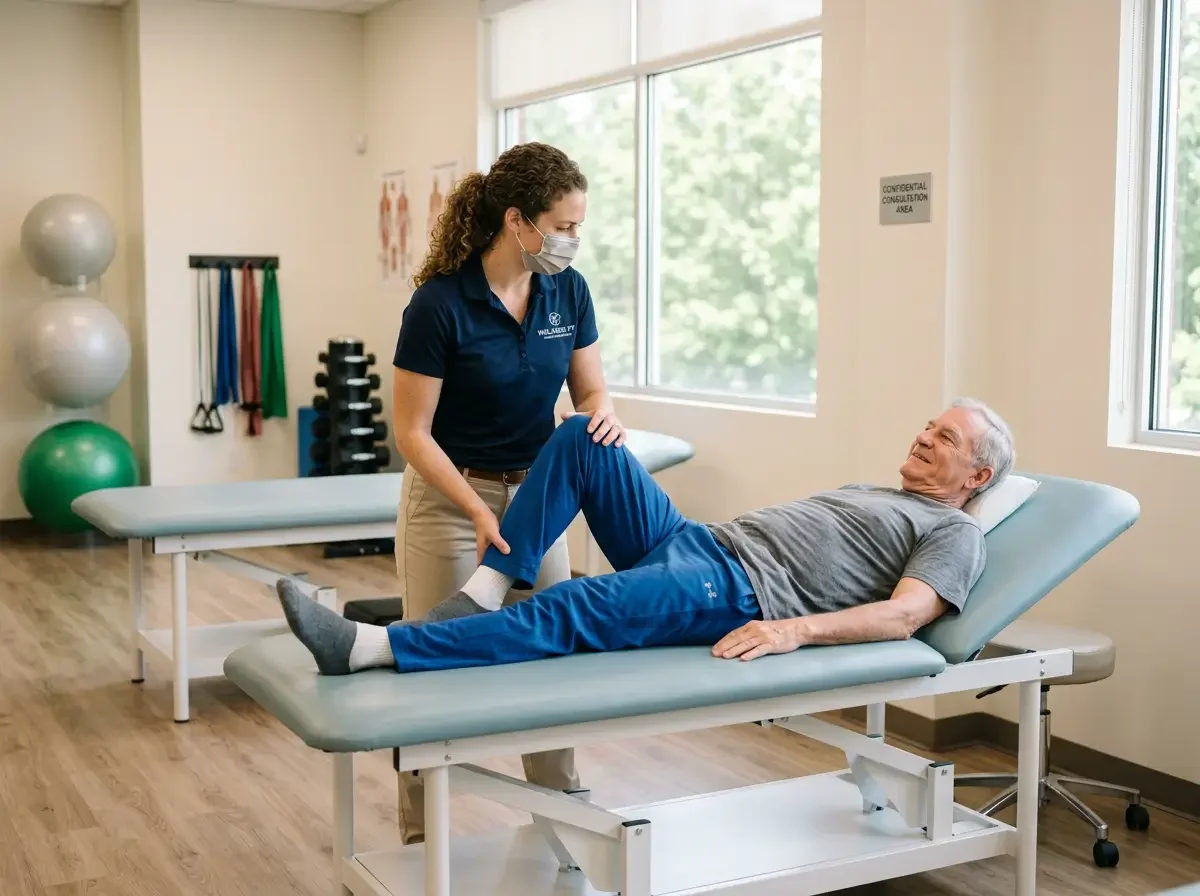
Pelvic floor physical therapist working with patient in comfortable, professional setting
2. Urogynecologists (for Women) / Urologists (for Men)
Who they are:
Urogynecologists specialize in pelvic floor disorders in women. Urologists treat urinary and reproductive system issues in both men and women, with some specializing in pelvic pain.
What they treat:
Bladder pain and dysfunction (interstitial cystitis)
Prostatitis and chronic pelvic pain syndrome (men)
Pelvic organ prolapse
Urinary incontinence
Pudendal neuralgia (diagnosis and medication management)
Post-surgical pain
What to expect:
Physical examination
Possible imaging (ultrasound, MRI)
Urine tests, cystoscopy (bladder scope)
May prescribe medications or nerve blocks
Often work closely with pelvic floor PTs
Where to find them:
Ask your primary care doctor or OB/GYN for referrals
Major academic medical centers often have specialized pelvic pain clinics
Questions to ask when scheduling:
"Do you treat pelvic floor dysfunction?"
"What percentage of your practice focuses on pelvic pain?"
"Do you work with pelvic floor physical therapists?"
3. Colorectal Surgeons
Who they are:
Colorectal surgeons specialize in conditions affecting the colon, rectum, and anus. Many have expertise in pelvic pain, especially conditions like levator ani syndrome and proctalgia.
What they treat:
Levator ani syndrome (rectal muscle spasm)
Proctalgia fugax (sudden rectal pain)
Anal fissures or fistulas causing chronic pain
Post-surgical pelvic pain
Chronic pelvic pain syndrome
Pudendal neuralgia (some specialists)
What to expect:
Digital rectal exam
May recommend colonoscopy or imaging to rule out other causes
Often work with pelvic floor PTs for treatment
May offer Botox injections for muscle spasm
Surgery is typically a last resort
Where to find them:
Look for surgeons who specifically mention "pelvic pain" or "functional disorders"
Academic medical centers with pelvic floor programs
Important note: The best colorectal surgeons for pelvic pain are those who know when NOT to operate. Look for providers who take a conservative, multidisciplinary approach.
4. Pain Management Specialists / Anesthesiologists
Who they are:
Physicians specializing in chronic pain management, often with training in interventional procedures like nerve blocks.
What they treat:
Pudendal neuralgia (nerve blocks, medication management)
Chronic pelvic pain syndrome
Neuropathic (nerve) pain
Complex pain conditions not responding to other treatments
What they offer:
Medication management (nerve pain medications, muscle relaxants)
Nerve blocks (pudendal nerve blocks, ganglion blocks)
Radiofrequency ablation
Neurostimulation (TENS, implanted devices for severe cases)
Botox injections for muscle spasm
Where to find them:
International Pelvic Pain Society - includes pain specialists
Look for providers with experience in pelvic/pudendal pain specifically
Major hospital pain management clinics
Questions to ask:
"Do you treat pudendal neuralgia / pelvic pain?"
"What is your approach to pain management?" (Look for comprehensive care, not just medication)
"Do you work with pelvic floor physical therapists?"
When to see them:
If conservative treatments (PT, lifestyle changes) haven't helped after 3-6 months
If you have clear nerve pain symptoms (burning, shooting, electric-like pain)
If your pain is severely impacting your quality of life
5. Neurologists
Who they are:
Physicians specializing in nervous system disorders.
What they treat:
Pudendal neuralgia (diagnosis and nerve-focused treatment)
Other pelvic nerve entrapments
Nerve damage from surgery or trauma
Neuropathic pain conditions
What to expect:
Neurological examination
May order nerve conduction studies or specialized imaging
Medication management for nerve pain
Often refer to pain management or surgical specialists
Where to find them:
Look for neurologists with pelvic pain or peripheral nerve specialization
Pudendal Hope has a doctor listing (though limited)
6. OB/GYNs (Women) / Primary Care Doctors
Their role: While most general OB/GYNs and primary care doctors don't specialize in pelvic floor conditions, they play an important role in:
Ruling out other causes of pelvic pain
Providing referrals to specialists
Managing coexisting conditions
Prescribing initial pain medications
When they're helpful:
As your first stop to rule out infections, cysts, etc.
For referrals to specialists
For ongoing care coordination
When you need a specialist: If your doctor says "this is normal" or "there's nothing wrong" but you're still in pain, advocate for yourself and ask for a referral to a pelvic floor PT or pelvic pain specialist.
Special Considerations for Specific Conditions
If You Suspect Pudendal Neuralgia:
Pudendal neuralgia is one of the most commonly misdiagnosed pelvic pain conditions. Classic symptoms include:
Pain worse with sitting, better standing/lying
Burning, shooting, or electric pain
Pain in the genitals, perineum, or rectum
No pain while sleeping
Best providers to see:
Pelvic floor physical therapist (FIRST - many cases respond to PT alone)
Pain management specialist familiar with pudendal neuralgia
Neurologist (for diagnosis confirmation)
Urogynecologist or urologist
Specialized resources:
Pudendal Hope - patient support and provider listings
Look for providers trained in pudendal nerve blocks
If You Suspect Levator Ani Syndrome:
Classic symptoms:
Dull ache high in the rectum
Pain worse with sitting
May feel like "sitting on a ball"
Pain unrelated to bowel movements
Best providers to see:
Pelvic floor physical therapist (FIRST LINE treatment)
Colorectal surgeon (for diagnosis confirmation)
Gastroenterologist
Key treatment: Biofeedback therapy with a pelvic floor PT is >90% effective for levator ani syndrome in clinical studies!
If You Suspect Prostatitis (Men):
Classic symptoms:
Pelvic, genital, or rectal pain
Pain with urination or ejaculation
Sitting pain
Best providers to see:
Urologist
Pelvic floor physical therapist (often the missing piece!)
How to Find Quality Specialists: Practical Tips
Red Flags to Watch For:
❌ Dismissive attitude: "It's all in your head" or "just live with it"
❌ Immediate surgery recommendation without trying conservative treatment first
❌ No mention of pelvic floor physical therapy as a treatment option
❌ Doesn't ask about your complete symptom picture
❌ Rushes through appointments without answering questions
Green Flags to Look For:
✅ Asks detailed questions about when pain occurs, what makes it better/worse
✅ Mentions physical therapy as first-line or adjunct treatment
✅ Takes a multidisciplinary approach (works with PTs, other specialists)
✅ Explains your condition in understandable terms
✅ Sets realistic expectations about treatment timeline
✅ Listens to your concerns and validates your experience
Questions to Ask Before Your First Appointment
When Calling to Schedule:
"What percentage of your practice focuses on pelvic pain / pelvic floor conditions?"
"Do you work with pelvic floor physical therapists?"
"What is your approach to diagnosis and treatment for [your suspected condition]?"
"How long are typical appointments?"
"Will I see the doctor or a physician assistant/nurse practitioner?"
During Your Appointment:
"What do you think is causing my pain?"
"What are my treatment options, from most conservative to most invasive?"
"Should I see a pelvic floor physical therapist?"
"What is the expected timeline for improvement?"
"What can I do at home to help?"
"When should I follow up with you?"
The Multidisciplinary Approach: Why It Matters
The most successful treatment for complex pelvic pain often involves a TEAM:
Pelvic Floor PT → Addresses muscle dysfunction, teaches exercises
Specialist (urologist, urogynecologist, colorectal surgeon) → Diagnoses, manages medical issues
Pain Management → Provides nerve blocks, medication when needed
Primary Care → Coordinates care, manages overall health
Example treatment path for pudendal neuralgia:
Pelvic floor PT (8-12 weeks)
Pain management specialist adds nerve blocks
Neurologist confirms diagnosis
All three coordinate care
This is why finding providers who work together and communicate is so important!
Don't Forget: Use Our Provider Directory!
We've vetted pelvic health specialists across the country who understand sitting pain and pelvic floor conditions.
Browse our Provider Directory to find:
Pelvic floor physical therapists
Urogynecologists and urologists
Colorectal specialists
Pain management physicians
Other pelvic health professionals
All of these providers understand the unique challenges of sitting pain and are experienced in treating pelvic floor dysfunction.
What If You Can't Find a Specialist Near You?
Telehealth Options:
Many pelvic floor PTs and specialists now offer virtual consultations! While hands-on treatment is ideal, telehealth can provide:
Initial assessment and diagnosis
Exercise instruction
Education and guidance
Treatment planning
Traveling for Care:
Some patients choose to travel to see top specialists for:
Initial diagnostic appointment
Intensive PT "boot camps" (1-2 weeks of daily treatment)
Specialized procedures (nerve blocks, Botox, surgery)
Then continue with local providers for follow-up care.
Advocating for Yourself: You Are Your Best Advocate
If your doctor dismisses your pain:
Be persistent: "I understand this might not be common, but my pain is real and significantly impacting my life. I'd like to try [specific treatment] or get a referral to [specialist type]."
Bring research: Print articles about your suspected condition
Ask directly: "Can you refer me to a pelvic floor physical therapist?"
Get a second opinion if needed
If treatment isn't working after 3-6 months:
Don't give up! You may need a different provider or approach
Consider getting evaluated by a different type of specialist
Ask your current provider: "What would you try next if this were your family member?"
Document everything:
Keep a pain journal (when, where, what makes it better/worse)
Track treatments tried and results
Bring this to all appointments
While You're Searching for the Right Provider
Things you can do NOW to help manage pain:
Use proper sitting support - A therapeutic cushion like the Twin Cheeks Cushion removes pressure from painful areas
Limit prolonged sitting - Stand or walk every 20-30 minutes
Practice relaxation techniques - Check out our guide to relaxation for chronic pain
Avoid tight clothing - Wear loose, comfortable clothes
Manage constipation - Straining makes pelvic pain worse
Stay active - Gentle movement like walking often helps
Remember: proper sitting support isn't just comfort—it's treatment. When you remove painful pressure while sitting, your pelvic floor muscles can finally relax, making all other treatments more effective.

Proper support helps your pelvic floor relax while you find the right provider
The Bottom Line: Don't Give Up
Finding the right healthcare provider for sitting pain can feel overwhelming. You may see several providers before finding the right one. That's normal—not a reflection on you.
Key Takeaways:
✓ Start with a pelvic floor physical therapist - they treat the root cause in many cases
✓ Look for providers who work together as a multidisciplinary team
✓ Advocate for yourself - if a provider dismisses you, find another one
✓ Use our Provider Directory to find vetted specialists
✓ Be patient - recovery takes time, but it IS possible
✓ Support your healing with proper sitting support and lifestyle changes
You deserve answers. You deserve treatment that works. And you deserve providers who take your pain seriously.
Start your search today—relief is possible. 💙

With the right providers and support, recovery is possible
Quick Reference: Where to Start
If you're not sure where to begin:
→ Start here: Find a pelvic floor physical therapist using our Provider Directory or APTA PT Locator
If pain is primarily when sitting:
→ See: Pelvic floor PT + Consider colorectal surgeon if rectal pain is primary symptom
If you have burning/shooting/electric pain:
→ See: Pelvic floor PT + Pain management specialist or neurologist
If you have bladder symptoms + pain:
→ See: Urologist or urogynecologist + Pelvic floor PT
If you're male with genital/pelvic pain:
→ See: Urologist + Pelvic floor PT (pelvic PTs treat men too!)
If nothing is working after 6+ months:
→ Consider: Second opinion from different specialist type + Make sure you've tried pelvic floor PT
Additional Resources
Professional Organizations:
APTA Pelvic Health - Physical therapy resources
International Pelvic Pain Society - Multidisciplinary provider directory
American Urogynecologic Society - Find urogynecologists
American Society of Colon and Rectal Surgeons - Find colorectal surgeons
Patient Support & Information:
Pudendal Hope - Pudendal neuralgia resources
National Vulvodynia Association - Women's pelvic pain
Interstitial Cystitis Association - Bladder pain resources
Our Resources:
Provider Directory - Vetted pelvic health specialists
Blog: Pelvic Pain Answers - Education and support
Stay ahead with the latest pelvic pain research, resources, and tips — delivered straight to your inbox.

This article is for informational purposes only and does not replace professional medical advice, diagnosis, or treatment. Always consult qualified healthcare providers for personalized medical guidance.
About Cushion Your Assets: Founded by Trudy Jackson, who lived with chronic pelvic pain for 17 years, Cushion Your Assets makes patented, therapist-recommended cushions designed to assist in pelvic pain recovery. We also maintain a Provider Directory of 270+ pelvic health specialists to help you find care near you. All products are made and sourced in the USA.
