
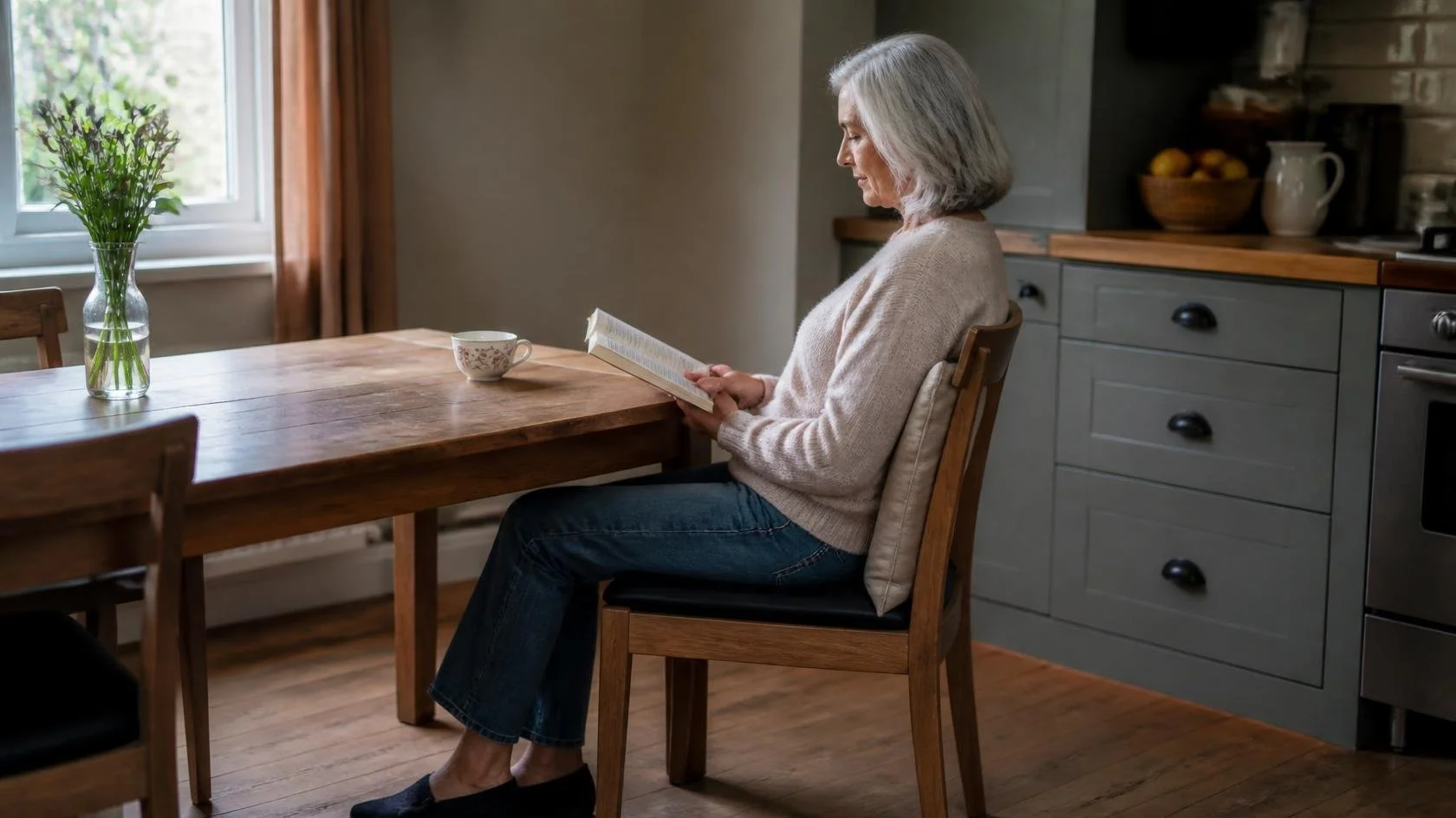
Living With a Sacral Tarlov Cyst: One Reader’s Story and Sitting Tips
After seventeen providers and one MRI, one of our customers found a Tarlov cyst at the base of her spine. She's sharing her story anonymously, along with what these cysts are, how they connect to EDS, and the sitting tips that help her most.

The Science of Foam-ology: Why a New Foam Cushion Feels Too Firm at First
If your new cushion feels harder than you expected, the foam is at the start of its break-in process. Here's how high-density foam softens and settles in with daily use, why your body needs time to adjust too, and when firmness is actually a fit question.
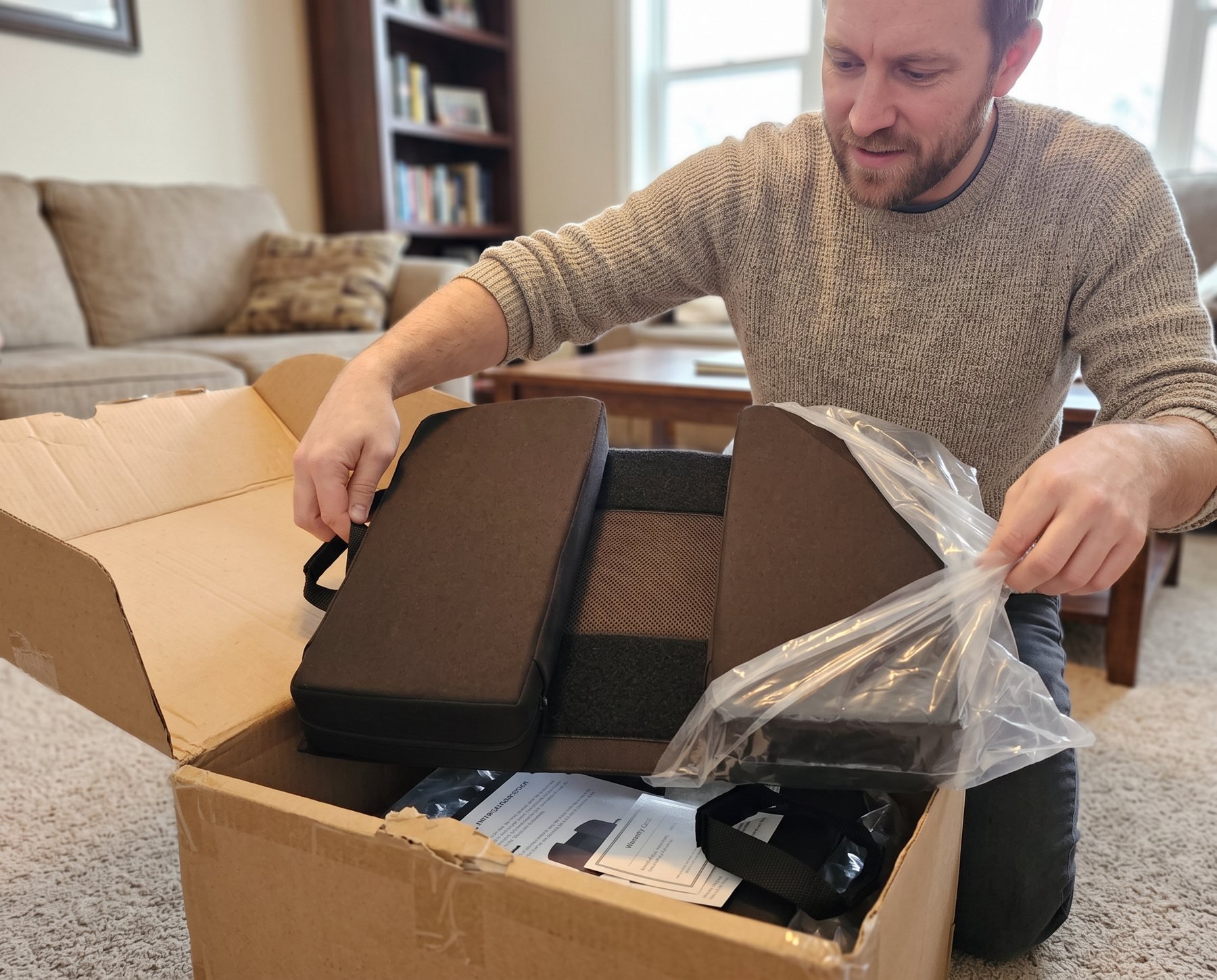
Setup Guide: How to Use the Twin Cheeks Cushion for Pelvic Pain
Your Twin Cheeks cushion has arrived. Here’s how to set it up, find your fit, and what to expect in the first two weeks while the foam breaks in, plus what to do if it still doesn’t feel right.
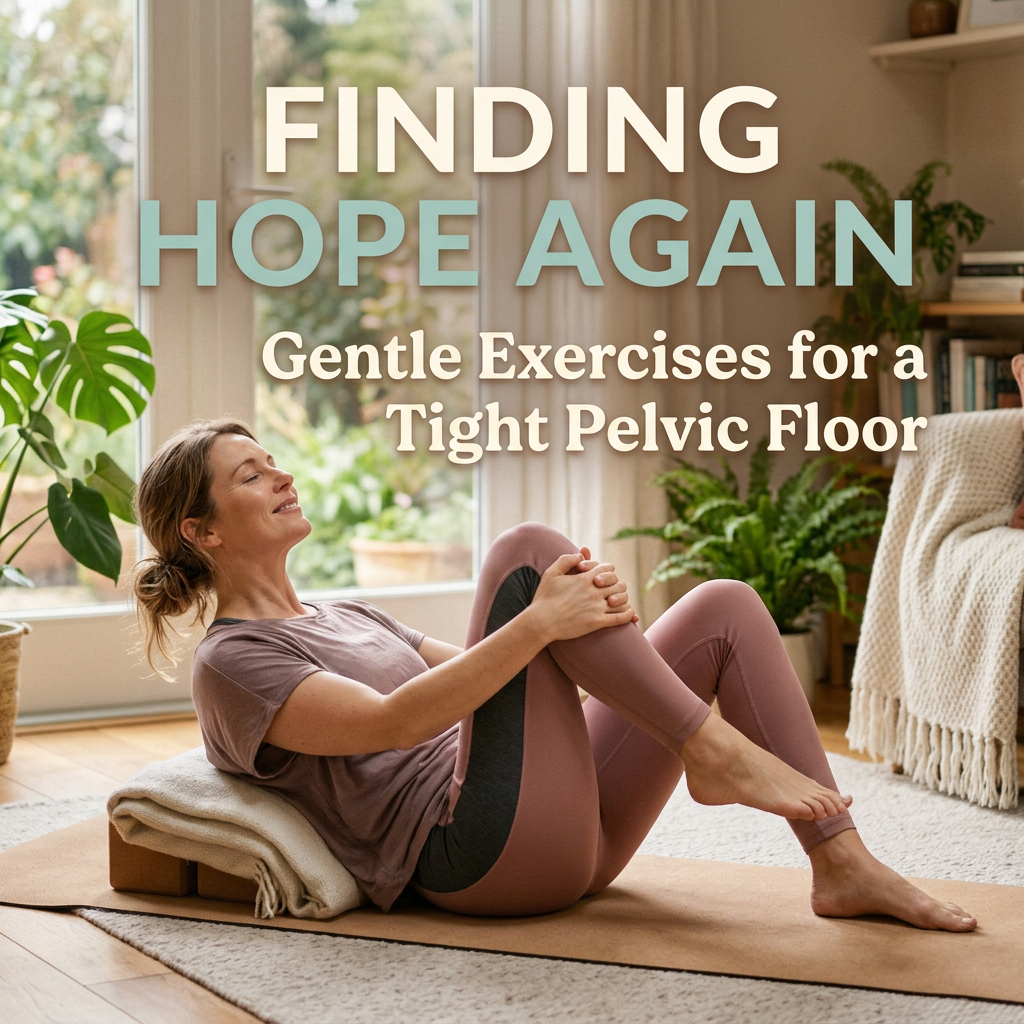
Finding Hope Again: Gentle Exercises for a Tight Pelvic Floor
A tight pelvic floor needs release rather than strengthening, which is why Kegels often make symptoms worse. This article covers gentle down-training movements you can do at home, how to adapt Pilates safely, and how re-engaging with daily activities supports recovery.

What I Wish I'd Known About Sitting With Endometriosis
I handle marketing and brand strategy for Cushion Your Assets, so it would be fair to assume this article is my job talking. It isn't. I came to this company as the person working behind the scenes, and somewhere along the way I became one of its biggest believers.
This is the part of endometriosis I didn’t learn about from any doctor or online resource. It's an aspect of this disease that didn’t get addressed until I tried the Twin Cheeks Cushion.

What's New in Pelvic Pain Research and Treatment
The past few years have brought real progress in how researchers understand chronic pelvic pain — where it comes from and what can actually help. Here's a look at what's changing.

Finding Your People: Online Communities and Support Groups for Pelvic Pain
Chronic pelvic pain can feel isolating in ways that are hard to explain — until you find someone who already knows exactly what you mean. Here's where to find real community, from Facebook groups and Reddit to Meetup and the people already in your life.

How to Relieve Pelvic Pain from Endometriosis
Endometriosis affects millions of people — but the pelvic pain it causes is still widely misunderstood. Here's what's actually happening and what can genuinely help.

How to Find the Right Healthcare Provider for Chronic Pelvic Pain
If you're dealing with chronic sitting pain, you know how frustrating it can be to find answers. Many people see 3-5 providers before getting a proper diagnosis. This comprehensive guide helps you understand which types of healthcare providers treat pelvic floor conditions, where to find qualified specialists, and how to advocate for yourself in the healthcare system.
Simple Relaxation Techniques to Ease Pelvic Pain and Anxiety
When you're dealing with chronic pain, anxiety and tension often make everything worse. It's a vicious cycle: pain causes anxiety, anxiety increases muscle tension, and tension amplifies pain. The good news? Simple relaxation techniques can help you break this cycle and regain a sense of control. Here are practical tools you can start using today.

Why Pelvic Floor Physical Therapy Is Essential for Lasting Pelvic Pain Relief
If you're dealing with pelvic pain, incontinence, or other pelvic floor issues, you've likely heard about pelvic floor physical therapy. But what exactly is it, and why do so many doctors and specialists recommend it as first-line treatment? This guide explains why pelvic floor PT is considered the gold standard for pelvic health and what you can expect from working with a specialized therapist.
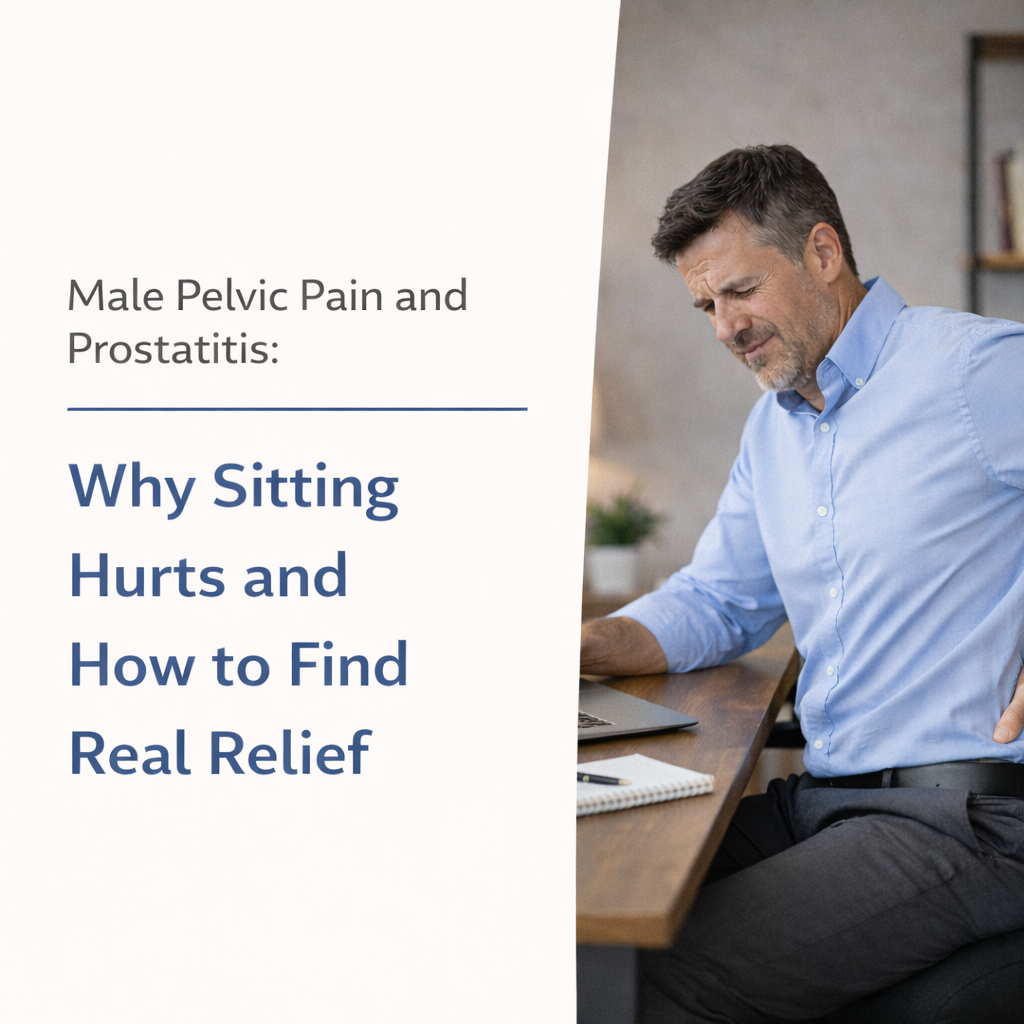
Male Pelvic Pain and Prostatitis: Why Sitting Hurts and How to Find Real Relief
Male pelvic pain and chronic prostatitis affect millions of men, making simple activities like sitting at work or driving unbearable. If you're experiencing burning, aching, or pressure in your pelvic area that worsens when you sit, you're not alone—and relief is possible. This guide explains what causes prostatitis-related sitting pain and introduces practical solutions, including how the right support cushion can transform your daily comfort.

How to Choose the Best Seat Cushion for Pelvic or Tailbone Pain
Not all seat cushions work the same way. This guide explains what actually matters when choosing a seat cushion—especially if sitting has started to feel uncomfortable.
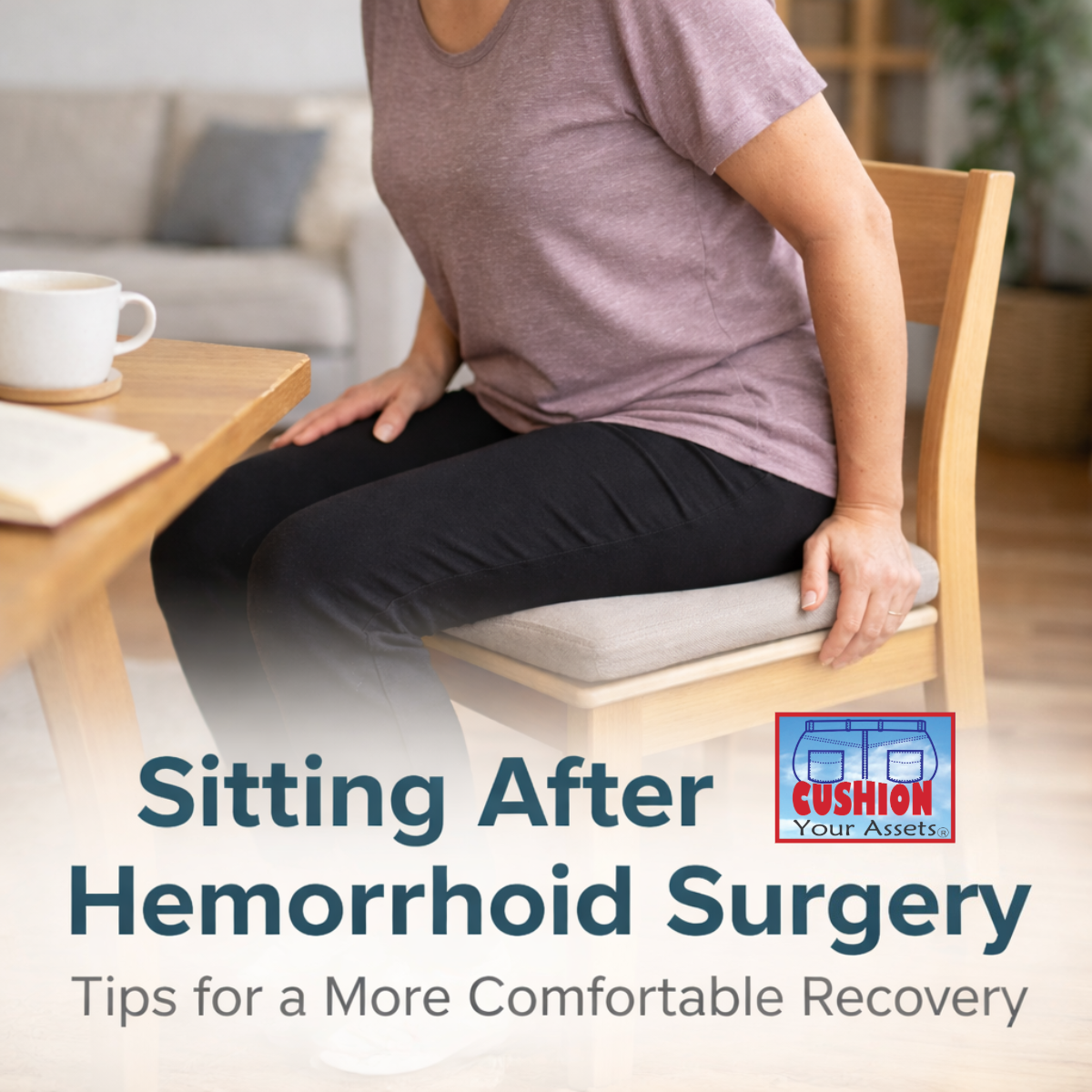
Sitting After Hemorrhoid Surgery: What Helps During Recovery
Sitting after hemorrhoid surgery can feel surprisingly difficult — even in places that used to feel comfortable. This guide explains why pressure matters during recovery and how simple seating changes can make everyday sitting easier again.
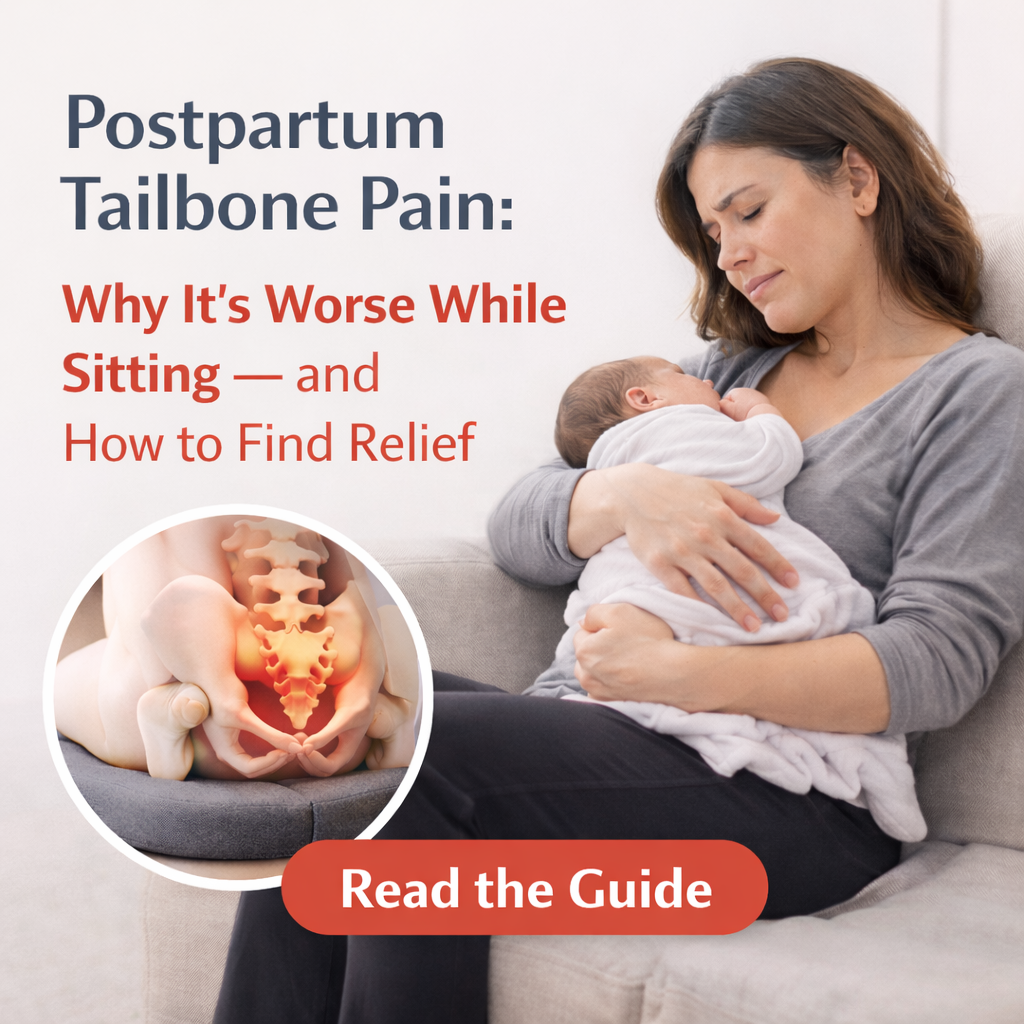
Postpartum Tailbone Pain: Why Sitting Hurts and How to Relieve It
Sitting after childbirth shouldn’t feel this uncomfortable. Learn why postpartum tailbone pain happens, why chairs make it worse, and what actually helps when sitting.
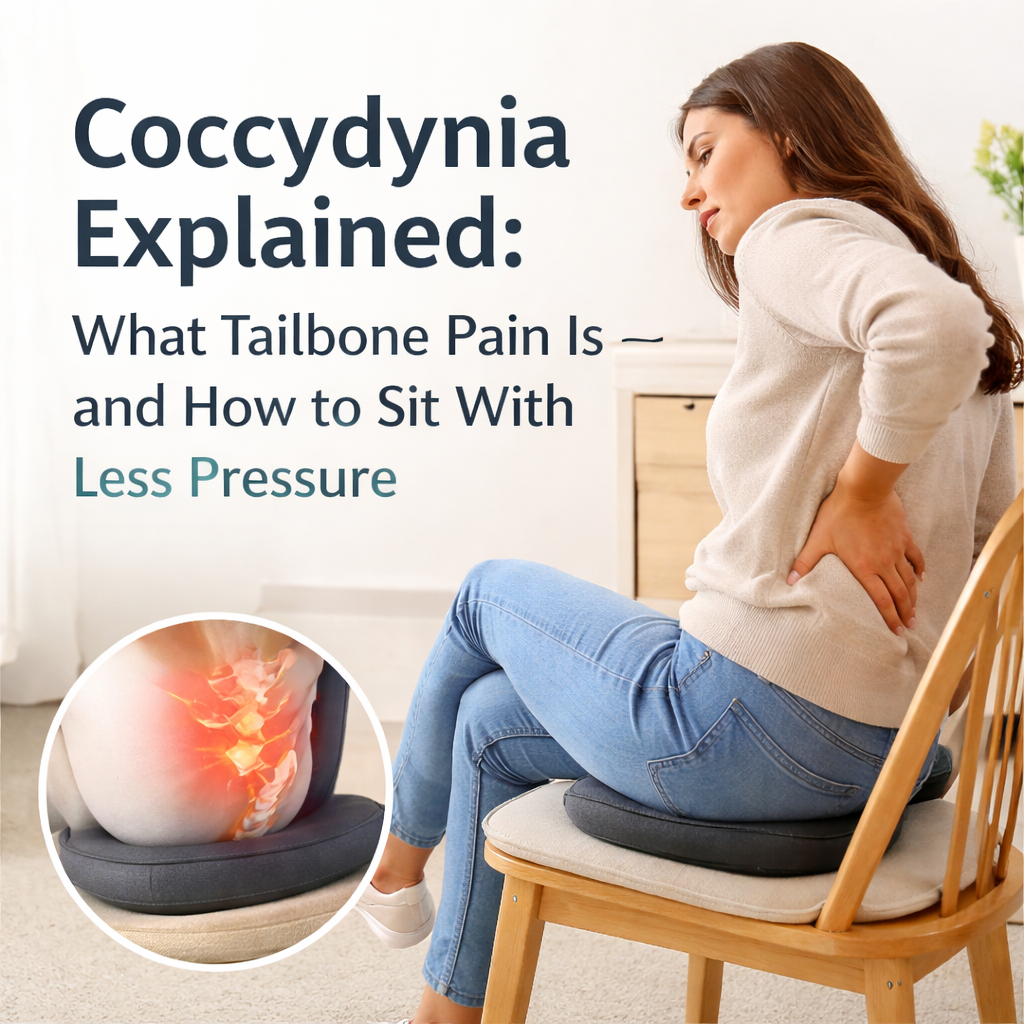
Coccydynia Explained: Tailbone Pain and Sitting Relief
Coccydynia is tailbone pain often caused by sitting pressure. Learn what causes it, why chairs make it worse, and how to sit more comfortably.
Coccyx Pain From Sitting: Why Your Work-From-Home Chair Isn't Enough
Still battling tailbone pain even with an expensive ergonomic chair? You're not alone. Learn why standard office chairs fail to address the root cause of coccyx pain from sitting and discover the patented cushion that is the ultimate upgrade for your WFH setup.
Pelvic Pain When Sitting: What You Should Know
Pelvic pain when sitting is more common than most people realize. Learn why sitting increases pressure on the pelvis and the simple changes that can help you feel more supported and comfortable again.
Pelvic Pain During Pregnancy When Sitting?
Pregnancy shifts your weight into sensitive areas of the pelvis, making everyday sitting uncomfortable. This guide explains why it happens and how our patented pelvic cushion gives your body the space and support it needs to feel relief.
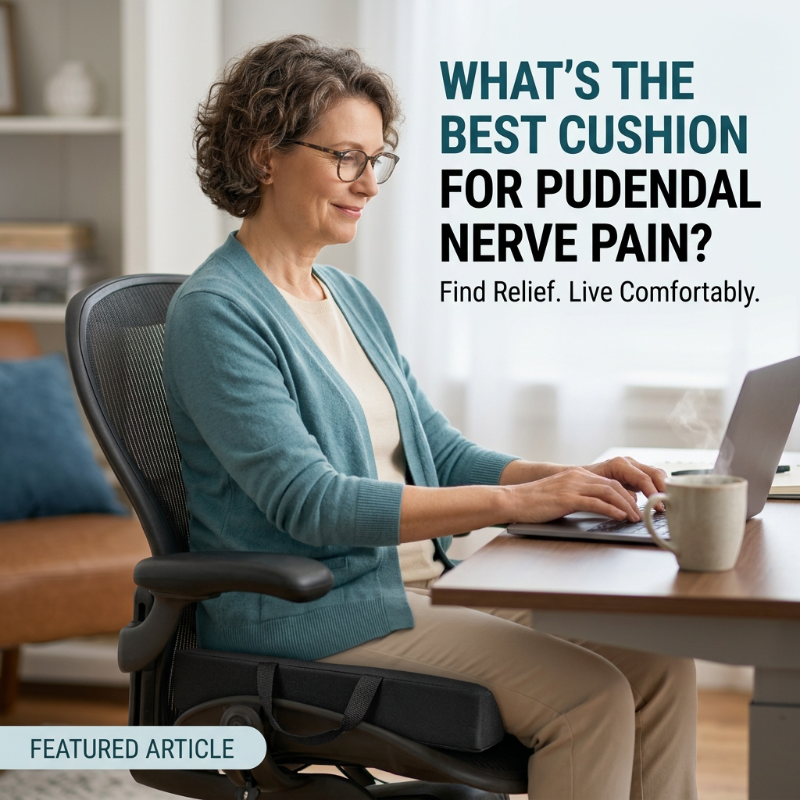
What’s the Best Cushion for Pudendal Nerve Pain?
Pudendal nerve pain is one of the most overlooked causes of pelvic discomfort—especially when sitting. This article breaks down what causes it, how sitting posture affects nerve pressure, and what to look for in a cushion that truly helps relieve pain.