
Finding Hope Again: Gentle Exercises for a Tight Pelvic Floor
We read every email that comes into Cushion Your Assets. Over the years, a certain kind of message arrives again and again, with wording that barely changes:
"I've tried everything."
One woman wrote in after twenty years of pelvic nerve pain, “I bought every cushion on the market and gave away seven chairs and still haven’t found relief.”
Another wrote from England:
"I have been struggling for so long. It has reached a stage where all I want is to be able to sit comfortably."
Someone else lived with chronic pelvic floor pain for eight years and reached the point of asking, “Am I doing something wrong?”
These messages come from people who have spent years—sometimes decades—searching for answers.
If any of that sounds familiar, this article is for you. Part of it offers practical strategies to relieve chronic pain. The rest addresses the mental toll of it, which matters just as much.

Tight Muscles Need Release, Not Strength
Pelvic floor muscles can be weak, but they can also be chronically tight—a condition known clinically as hypertonicity. Hypertonic muscles remain in a low-grade clench that they never fully release. This is common in conditions like pudendal neuralgia, chronic pelvic pain, vulvodynia, and post-surgical pelvic pain.
Kegels are frequently recommended for pelvic floor issues under the assumption that the muscles are weak and need strengthening. However, when the pelvic floor is already overly tight, contracting it further often worsens symptoms.
In these cases, the goal is down-training: focusing on length, relaxation, and release. Pelvic floor physical therapists address hypertonicity through manual release, guided relaxation, graded desensitization, and stretching the surrounding muscles in the hips, thighs, and lower back.
If standard pelvic exercises have made your pain worse, it does not mean your body failed the treatment. It usually means the treatment was targeting weakness when the actual issue was tension.
Gentle Starting Points
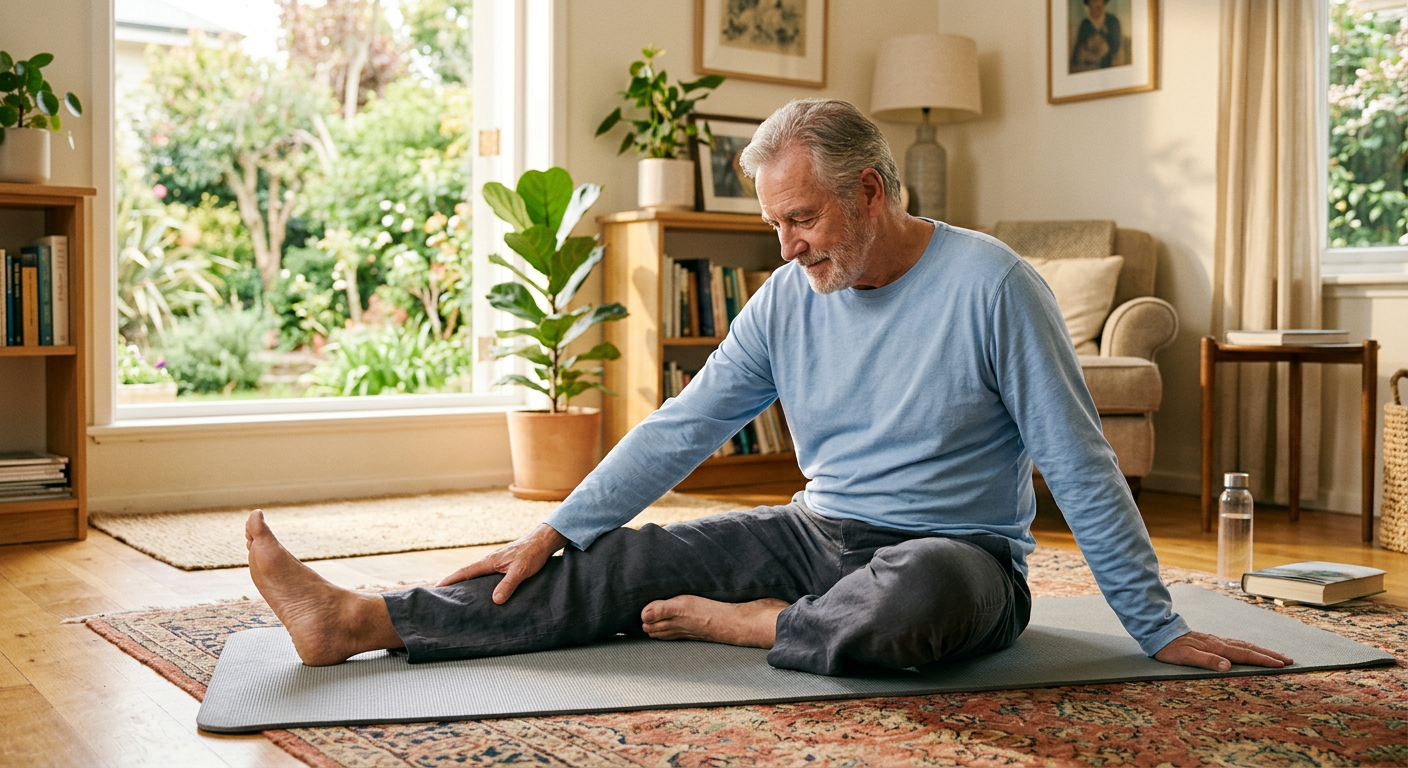
These movements require no special equipment and can be done entirely at home:
Diaphragmatic breathing: Inhaling deeply into your belly and lower ribs allows the diaphragm to descend, encouraging the pelvic floor to lengthen naturally. A few minutes of slow belly breathing several times a day helps lower the resting tone of these muscles. This is the foundation for the rest of the routine.
Child’s pose: With knees wider than your hips, sink back toward your heels and reach your arms forward. Focus on deep breathing and allowing the pelvis to relax and widen.
Happy baby: Lying on your back, bring your knees toward your chest and hold the outer edges of your feet. For many people, this offers an accessible way to release tension in the pelvic floor.
Supported deep squat: Stand with feet slightly wider than hip-width and toes turned out, then lower down while holding onto a sturdy doorframe or counter. Allow the pelvis to drop and relax rather than bracing.
Stretching surrounding muscles: Tension in the hip flexors, adductors, glutes, and lower back directly affects the pelvic floor. Gentle stretches targeting these areas can relieve load on the pelvis without direct pressure.
Practicing one or two of these movements once or twice a day is plenty. Trudy’s own guidance to customers starting out is simple: "Go easy at first."
Note: If your pain is nerve-driven, consult a pelvic floor physical therapist before starting new exercises. Movements safe for a hypertonic pelvic floor can sometimes aggravate an irritated pudendal nerve, and individual guidance ensures safety.
Modifying Pilates for Pelvic Health
Pilates is popular in pelvic pain management because it emphasizes breathwork, controlled movement, and body awareness. These elements can support a tight pelvic floor when applied correctly.
However, traditional core exercises create intra-abdominal pressure that pushes down on the pelvic floor. High-intensity core activation without dedicated release work can leave hypertonic muscles tighter than before. Standard group classes that cue participants to "engage your core" rarely account for a pelvic floor that cannot relax.
Pilates can still be beneficial, provided it is breath-led, slow, and adapted to your body—ideally under the guidance of an instructor trained in pelvic health or working alongside your physical therapist. Ask about their background before booking.
Addressing the Fear-Avoidance Cycle
Chronic pain research frequently references the "fear-avoidance model." When pain occurs, avoiding aggravating movements makes sense initially. Over time, however, avoidance tends to expand: skipping dinners because of hard chairs, canceling travel, and setting aside hobbies. As activity decreases, physical conditioning drops, mood declines, and daily life shrinks around the pain.
Research shows that gradually re-engaging with valued activities—even while managing ongoing symptoms—can significantly improve function and quality of life. Improvement in daily living often happens even before pain intensity drops. Waiting until you are completely pain-free before returning to life can prolong the recovery process.
Real-World Recovery Stories
Recovery from chronic pelvic pain rarely follows a straight line, but small improvements restore independence.
Cynthia G. wrote to us after surgery for stage IV endometriosis affecting her bladder, bowel, and pelvic nerves. She gave permission to share her story on June 28, 2026:
"It was incredibly frustrating because the rest of my body was healing, but something as simple as sitting was keeping me from getting my life back. ... Slowly but surely, I was able to start driving again, return to work for a few hours at a time, and attend important family events, including my daughter's prom."
Laura DeCarlo, diagnosed with pudendal neuralgia in 2014 and later dealing with a spinal cord injury, gave permission to use her name and story on June 9, 2025:
"...your cushion has gotten me through airline flights, dentist visits, taxis when traveling, doctors where I have to sit on the table, the rare pedicure, and a dream vacation to Hawaii."
And Sandy S., the day her cushion arrived, wrote a single sentence that says the whole thing. She gave permission to share it on November 23, 2019:
"It has arrived just in time for me to go out to dinner tonight and know that I will be comfortable."
These milestones represent practical progress: returning to everyday living without constant obstruction.

Clear Expectations and Limitations
Chronic pelvic pain is complex, and managing it requires realistic expectations about how different tools work together.
A specialized cushion is designed to remove mechanical sitting pressure, which is often a primary daily trigger for pelvic floor and nerve irritation. By offloading that weight, it helps calm aggravated tissues and allows you to sit without constant muscle guarding. However, cushion therapy is a supportive tool rather than a standalone cure for underlying medical conditions like nerve entrapment, tissue inflammation, or structural dysfunction.
Targeted cushions work best as part of a broader, multidisciplinary treatment strategy. Reducing daily sitting stress simply creates the physical comfort and breathing room needed for physical therapy, medical treatment, and gentle movement to be effective.
Moving Forward
If your world has gradually narrowed around pelvic pain, consider taking a small, manageable step back into activities you enjoy. Plan an outing, pick up a former hobby at a comfortable pace, or visit family.
Use whatever supportive tools help make these activities possible: practice diaphragmatic breathing, consult with a physical therapist, or use a supportive cushion. Re-engaging with your life is a core part of the recovery process.
Stay ahead with the latest pelvic pain research, resources, and tips — delivered straight to your inbox.

About Twin Cheeks and Cushion Your Assets
Trudy Jackson designed Twin Cheeks after a fall resulted in pudendal nerve entrapment and pelvic floor dysfunction. When no existing product provided relief, she developed a patented design with two supportive panels for the buttocks and a clear center channel to relieve pressure from the tailbone, perineum, and pelvic floor. While it does not fix the root cause of pain, it removes sitting pressure as a daily obstacle.
If you are seeking a specialist to help diagnose or treat underlying causes, explore our Provider Directory.
This article is for informational purposes only and does not replace professional medical advice, diagnosis, or treatment. Always consult qualified healthcare providers for personalized medical guidance.
About Cushion Your Assets: Founded by Trudy Jackson, who lived with chronic pelvic pain for 17 years, Cushion Your Assets makes patented, therapist-recommended cushions designed to assist in pelvic pain recovery. We also maintain a Provider Directory of 270+ pelvic health specialists to help you find care near you. All products are made and sourced in the USA.
