

Why Sitting Hurts: Menopause Pelvic Pain and What Helps
Lower estrogen after menopause can leave tissue thinner, drier, and sore, and sitting presses right on it. Learn how menopause can cause pelvic pain, when to see a doctor, and what helps, from treatment to how you sit.

Living With a Sacral Tarlov Cyst: One Reader’s Story and Sitting Tips
After seventeen providers and one MRI, one of our customers found a Tarlov cyst at the base of her spine. She's sharing her story anonymously, along with what these cysts are, how they connect to EDS, and the sitting tips that help her most.

Finding Hope Again: Gentle Exercises for a Tight Pelvic Floor
A tight pelvic floor needs release rather than strengthening, which is why Kegels often make symptoms worse. This article covers gentle down-training movements you can do at home, how to adapt Pilates safely, and how re-engaging with daily activities supports recovery.

What's New in Pelvic Pain Research and Treatment
The past few years have brought real progress in how researchers understand chronic pelvic pain — where it comes from and what can actually help. Here's a look at what's changing.
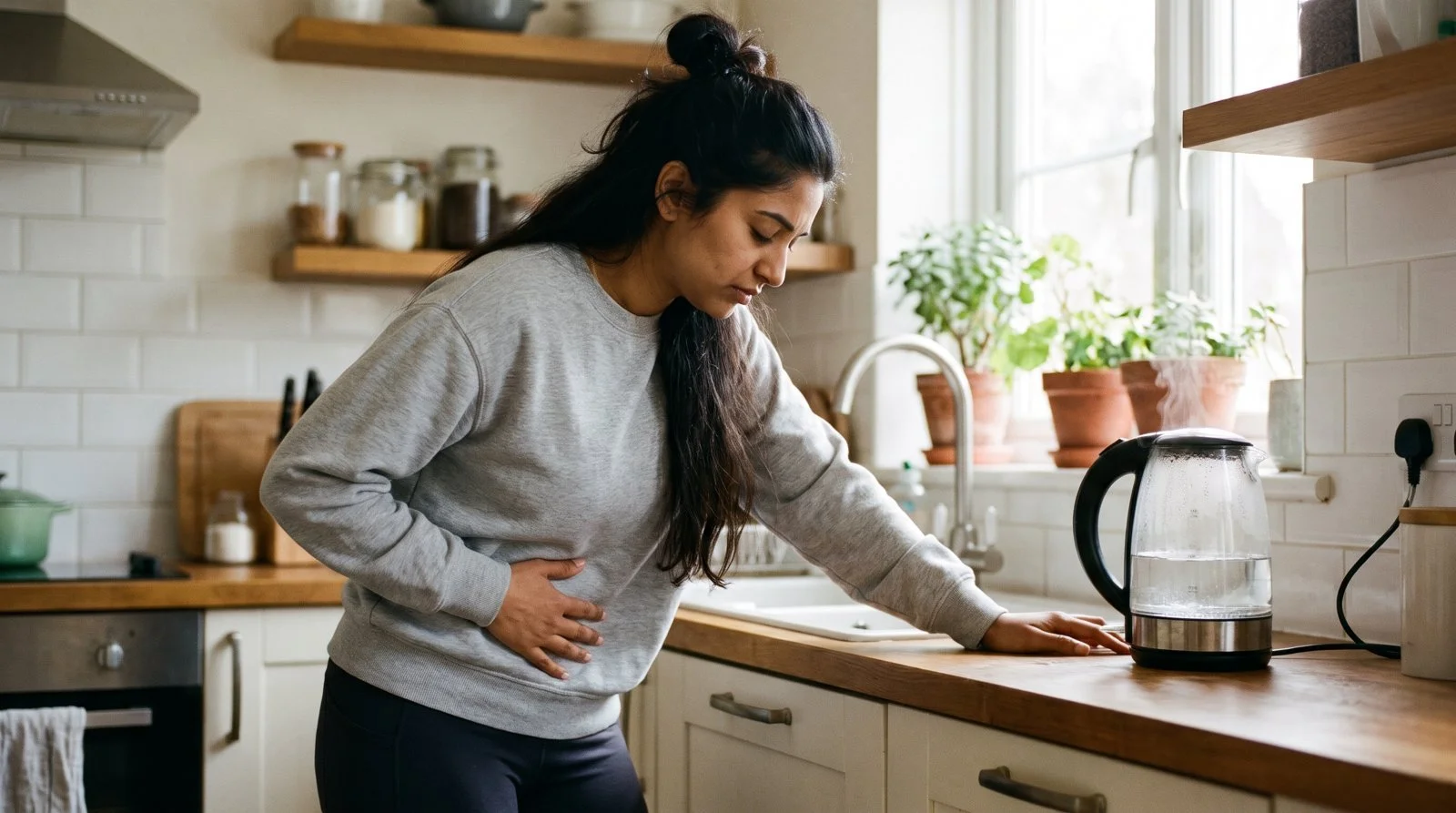
Finding Endometriosis Pain Relief: What Helps, From Heat to How You Sit
Endometriosis pain relief usually comes from several small things working together. Learn why sitting can make endo pain build through the day, and how heat, TENS, pelvic floor therapy, and a better seat can help.

Why Pelvic Floor Physical Therapy Is Essential for Lasting Pelvic Pain Relief
If you're dealing with pelvic pain, incontinence, or other pelvic floor issues, you've likely heard about pelvic floor physical therapy. But what exactly is it, and why do so many doctors and specialists recommend it as first-line treatment? This guide explains why pelvic floor PT is considered the gold standard for pelvic health and what you can expect from working with a specialized therapist.

Male Pelvic Pain and Prostatitis: Why Sitting Hurts and How to Find Real Relief
CPPS, or chronic prostatitis/chronic pelvic pain syndrome, is the most common form of prostatitis, and sitting often makes it worse. Learn the symptoms, why sitting hurts, and what helps, from pelvic floor therapy to the seat you're on.